Language

Language

The language of depression isn’t universal 

The language of depression isn’t universal 

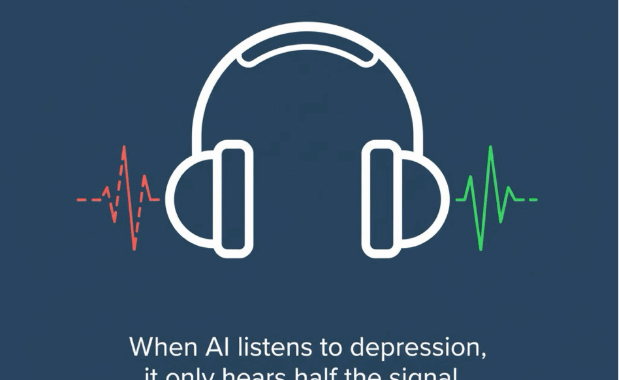
Scroll through any social media feed and you’ll find people sharing their highs and lows, sometimes openly, sometimes between the lines. For years, researchers have hoped that artificial intelligence (AI) could learn to recognize early signs of depression from our words. The idea is simple and powerful: if language carries emotional fingerprints, algorithms might one day detect distress before it becomes a crisis.  
But what if these systems end up hearing some experiences more clearly than others?

Dear AI chatbots, enough with the flattery

Dear AI chatbots, enough with the flattery

Were you called a genius, visionary, or brilliant by an LLM (large language model) based on the last idea you discussed with it? But deep down, you know that the idea was half-baked and needed major refinement? The over-the-top ego massage may lead to an egoistic society. Read further to know why and how to stop it.

Repeat it until you get it

Repeat it until you get it

As grown-ups, we easily tend to get bored when falling into a form of routine. Children, on the contrary, are very much into repetitions. This developmental difference is at the core of the way we process and interpret the world with experience.