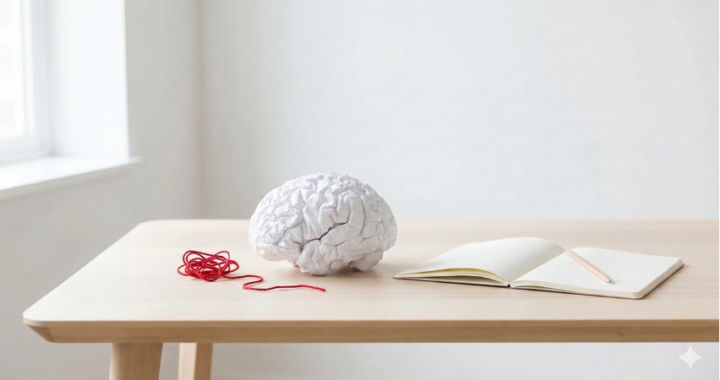
Why can’t you remember your first birthday?
Your brain was recording, but it lost the remote.
Your brain was recording, but it lost the remote.
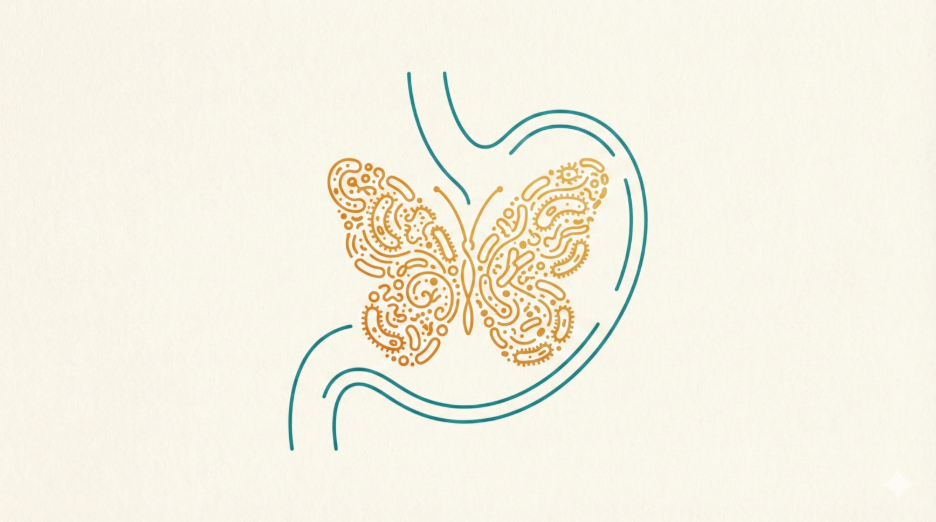
New research reveals a surprising connection between gut bacteria and social fear
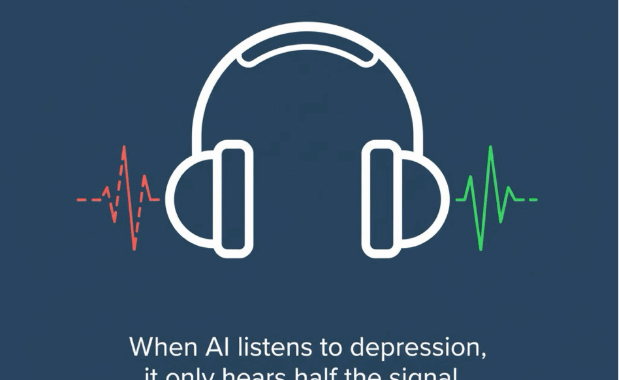
Scroll through any social media feed and you’ll find people sharing their highs and lows, sometimes openly, sometimes between the lines. For years, researchers have hoped that artificial intelligence (AI) could learn to recognize early signs of depression from our words. The idea is simple and powerful: if language carries emotional fingerprints, algorithms might one day detect distress before it becomes a crisis.
But what if these systems end up hearing some experiences more clearly than others?
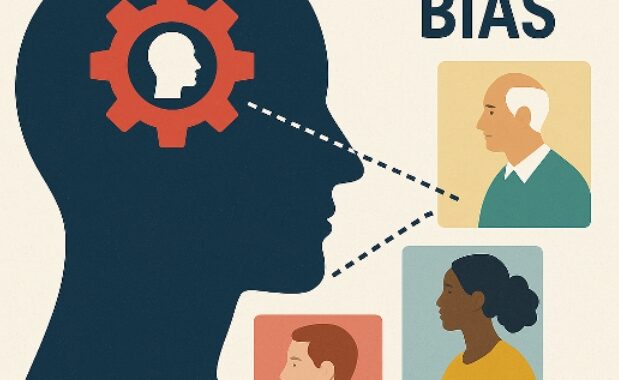
New research shows that even so-called “aligned” AIs — trained to follow human values and avoid harmful outputs — still reflect stereotypes. Even GPT-4, one of the most advanced models, repeats the very biases it was meant to suppress.
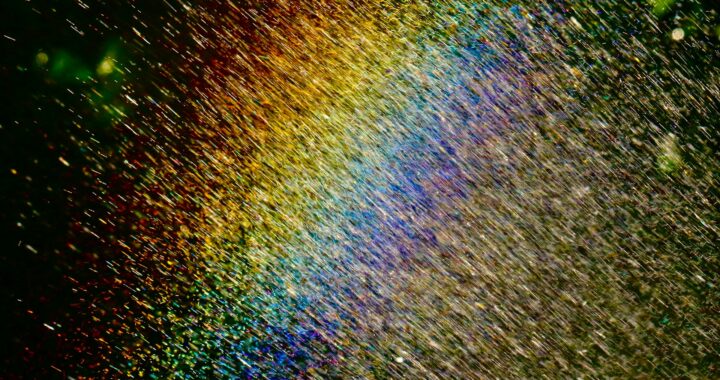
Remember that dress that nearly ended friendships? The one where half of the world was convinced it was blue and black, while the other saw it as white and gold? Then you’ve perhaps already asked yourself: Do we really see the same colors? Colour blindness shows that the answer likely is: not quite. Our experience of colour is not in the world, but constructed by the brain.
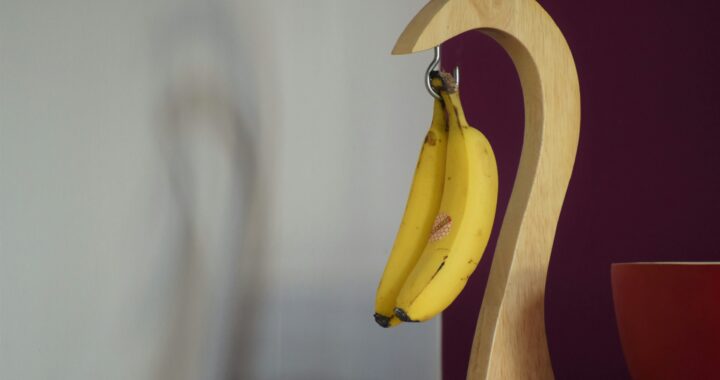
Ever felt a pinch of pity for that lone banana or tomato sitting at the store? You’re not alone—our brains are wired to care, and that instinct might just keep it out of the trash.
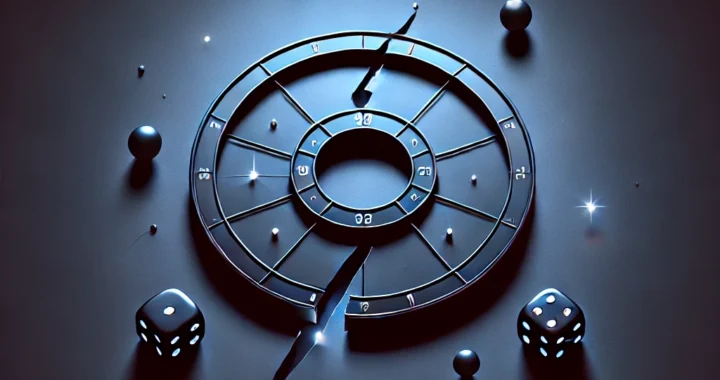
Whether it’s checking your daily horoscope for love advice or sharing zodiac memes with friends, astrology is everywhere. Many of us find comfort in the idea that the stars might hold clues about our lives—but can they really?
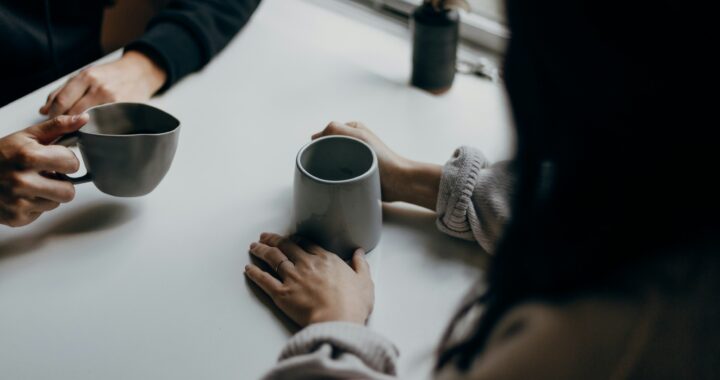
Stereotypes help us navigate social situations, but they can also mislead us. What happens when our assumptions clash with reality? Using a unique communication game, researchers reveal how feedback reshapes our behavior and how early experiences influence our ability to adapt.