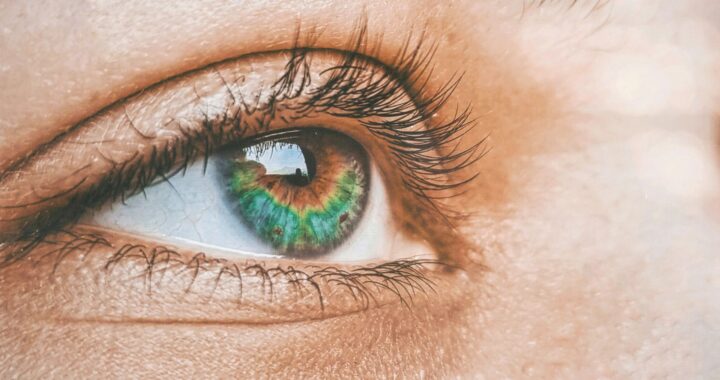
Do colours appear the same to everyone?
Donders Wonders Summer Series As many of our readers are enjoying a well-deserved summer break,
As many of our readers are enjoying a well-deserved summer break, Donders Wonders writers will
I did not start with a career goal of becoming a neuroscientist, nor have I been a book lover in general, since my ADHD often kept me from finishing them. Somehow, while pursuing my growing passion for this field, I came across a few neuroscience books that strengthened my knowledge, broadened my view, and gave me company in the cold, dark Dutch winter.
You’re scrolling through social media when you realize that your phone is at 3%. You need your charger. Now! So, you get up, march to the kitchen with purpose, and… freeze. You’re standing in the middle of the room, staring at the fridge, wondering why you walked in there in the first place. What was I doing here?
Some brains hear words and sense the emotional pressure behind them before language has fully caught up. Maybe high sensitivity is not a weakness, but an early warning system for the invisible weather of a room.
From the design of seatbelts to the symptoms of a heart attack, the average male body has long served as the default model for research and development across society. Fortunately, efforts are now underway to better represent others, including women. But where do we currently stand in neuroscience?
Imagine someone offers to split €10 with you but keeps €8 for themselves and gives you only €2. Most people would see that as unfair. Now imagine two different people making this offer. One person is usually generous. The other person is known for being selfish. Even though they both offer the same split, it feels different, doesn’t it?
Your brain was recording, but it lost the remote.
You see a car – wait… it’s not just a car. It’s red, it has a particular shape, and it’s moving fast. You hear the engine as it races past you. Maybe you even catch the smell of exhaust. Your amazing brain is able to combine all these different signals into a single red car, but how does it do that?
You’re walking home at night and think you see someone behind you, but when you turn around, no one’s there. Moments like this raise a question: how does your brain tell what’s real and what you’re imagining? Evidence suggests the answer may be surprisingly simple: the brain listens to the “volume” of its own signals. When internal thoughts become strong enough, they can briefly fool the mind into treating imagination as reality.