The ultimate secret: what happens when we die?
Neurowetenschap kan de dood niet volledig verklaren, maar ze laat wel zien dat sterven geen abrupt einde is.
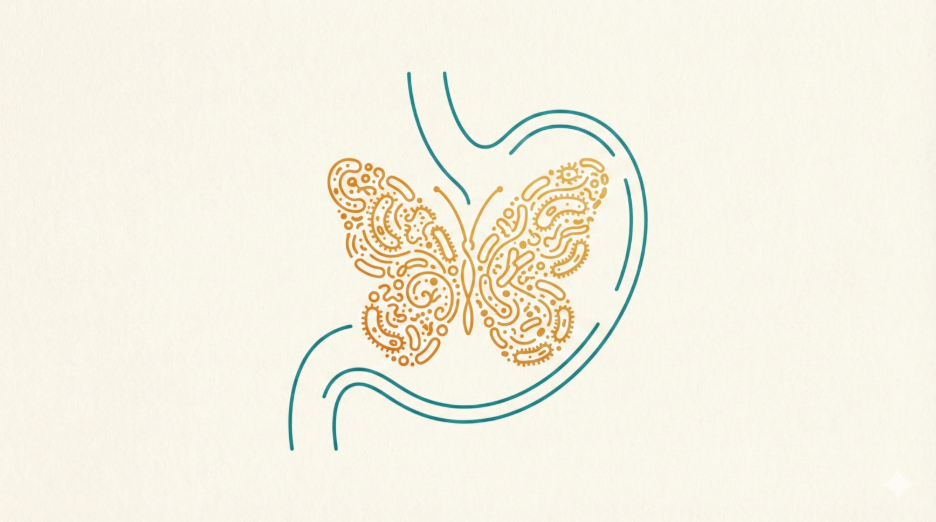
New research reveals a surprising connection between gut bacteria and social fear
When we talk about the human brain, we often picture the adult form – a fully folded cortex, distinct regions, complex circuits, continuous changes and overlapping functions. Yet the story of how this structure emerges is one of the most striking narratives in biology. Early brain development is an orchestrated progression of cellular decisions, migrations, and refinements that begins long before birth and sets the stage for everything that follows.
Microplastics from everyday containers can harm not only the environment but also the human brain by triggering inflammation and disrupting cognitive and emotional functions. While complete avoidance is difficult, switching to reusable alternatives like glass or stainless steel can help reduce exposure and protect brain health.
Brain Computer Interfaces are technologies that open up new realms of possibilities in medicine and beyond, but ethical guidelines and legislation have not yet caught up with the rapid developments in this field. What can this technology do? And what does the future hold for it?
Fictional characters intrigue us not only because of their stories, but also because they reflect deep truths about human nature. In this series, we dive into the minds of iconic characters from movies and series and analyze their behavior through the lens of cognitive neuroscience and psychology. In this blog, it’s Gollum from Lord of the Rings.
We usually think of memory as something that happens only in the brain. But what if it’s not just neurons that can learn? Research by Nikolay Kukushkin suggests that other cells in the body can also adapt and “remember,” using methods like spaced repetition.
In our complex world, we are constantly bombarded with information from our environment. How do
People differ in how sensitive they are to environmental stimuli. Scientific research shows that there are advantages for learning, such as attention to detail, for those individuals who are highly sensitive.
Is there a lunar clock in the female brain to influence menstrual cycles? Many research studies show that it is just a dusty old myth. How about in ancient times, when most of our biological rhythms were still governed by natural light?