Health

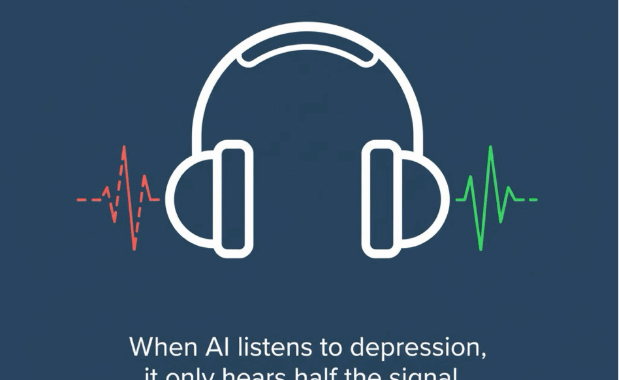
The language of depression isn’t universal 

The language of depression isn’t universal 

Scroll through any social media feed and you’ll find people sharing their highs and lows, sometimes openly, sometimes between the lines. For years, researchers have hoped that artificial intelligence (AI) could learn to recognize early signs of depression from our words. The idea is simple and powerful: if language carries emotional fingerprints, algorithms might one day detect distress before it becomes a crisis.  
But what if these systems end up hearing some experiences more clearly than others?

The hidden link between autism and epilepsy

The hidden link between autism and epilepsy

It was only halfway through the twentieth century that autism was given a clear name and definition. Yet doctors at that time already noticed that some autistic children also had epileptic seizures. Today we know that this connection is no coincidence: autism and epilepsy have more in common than once thought.

Neurofeedback: Train your brain like a muscle

Neurofeedback: Train your brain like a muscle

In recent years, many cool techniques have been developed for brain research and for the treatment of all kinds of psychological and neurological disorders — such as focused ultrasound, deep brain stimulation, or laminar fMRI. Another brand-new method is neurofeedback, where you receive direct feedback about your brain activity and can thus create immediate connections between the inside and outside of your skull. This offers a new way to gain direction and control in your brain.

Mindfulness for young people: a promising remedy for worry and sadness?

Mindfulness for young people: a promising remedy for worry and sadness?

Many young people between 16 and 25 years suffer from psychological symptoms such as anxiety or sadness. Research shows that mindfulness training can have positive effects in adults with mental disorders such as depression, but the effect in youth remains understudied. In this article, we discuss whether mindfulness could possibly help young people become more resilient to mental illness.