Climbing out of depression: the science behind boulder psychotherapy
It is time to rethink our approach to mental health treatment. As depression rates rise
Brain Computer Interfaces are technologies that open up new realms of possibilities in medicine and beyond, but ethical guidelines and legislation have not yet caught up with the rapid developments in this field. What can this technology do? And what does the future hold for it?
Fictional characters intrigue us not only because of their stories, but also because they reflect deep truths about human nature. In this series, we dive into the minds of iconic characters from movies and series and analyze their behavior through the lens of cognitive neuroscience and psychology. In this blog, it’s Gollum from Lord of the Rings.
It is a familiar scenario for many people: you take a bit of chips and
Stereotypes help us navigate social situations, but they can also mislead us. What happens when our assumptions clash with reality? Using a unique communication game, researchers reveal how feedback reshapes our behavior and how early experiences influence our ability to adapt.
Some people are more sensitive to the environment than others. Recent research shows that individuals
Today we have tools to change and manipulate DNA, the fundamental instruction manual that makes up who we are. What would happen if we fast forward in our imagination a little bit, and contemplate the future of genetics in the healthy and diseased brain?
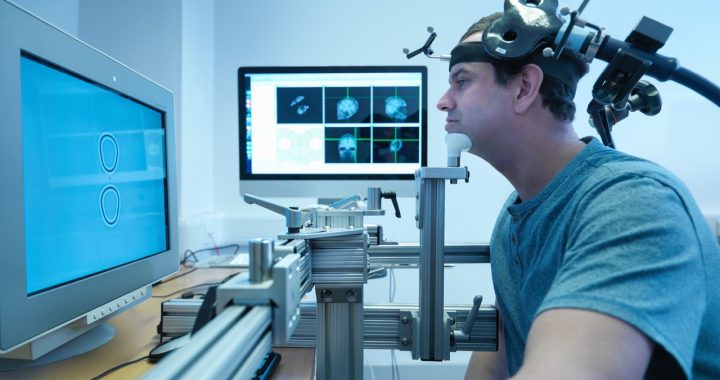
Noninvasive brain stimulation techniques can be broadly classified as electrical, magnetic, or sonographic. Let’s take a glimpse at the most common ones and their promising future.
Imagine controlling a computer or prosthetic limb with just your thoughts. Brain-computer interfaces are making this a reality, offering hope for medical breakthroughs and everyday conveniences. However, with these advancements come privacy, and ethical concerns. Explore the fascinating world of BCIs and what they mean for our future.
Aging and aging related disorders like Alzheimer’s are often associated with cognitive decline. But we can all help our brain to prepare for later years by building up our mental reserves across our lifetime.