
The more we learn, the more we forget?
Learning something new can make old knowledge feel harder to reach, but that doesn’t mean your brain is running out of space.
Learning something new can make old knowledge feel harder to reach, but that doesn’t mean your brain is running out of space.

Baking isn’t just a holiday tradition; research shows that cooking and baking can reduce stress and improve emotional well-being. Here’s what neuroscience can tell us about why it works.
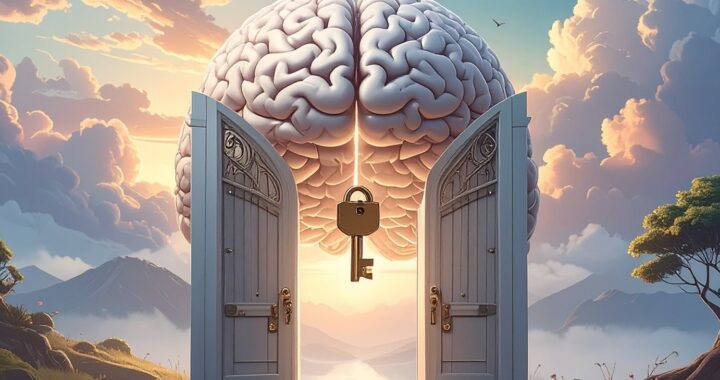
In a previous blog, we discussed the concept of working memory gating: the brain’s mechanism

This summer, we’re kicking off a new series in collaboration with BrainHelpDesk—a platform that was relaunched
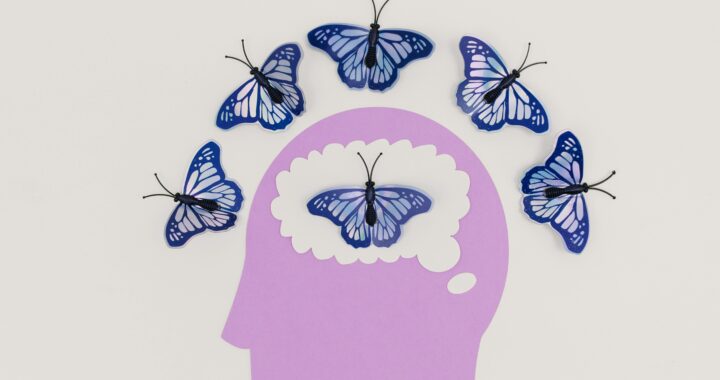
Think of an apple. What do you “see” in your mind’s “eye”? A vivid image

Have you ever produced a brilliant idea, only to have someone point out it’s oddly similar to something that came out years ago? This phenomenon is called cryptomnesia and occurs when you have encountered something previously, but it is hidden from your conscious memory, leading you to believe it’s a novel idea

Functional MRI (fMRI) has long been a core method to study brain function. Conventional fMRI,
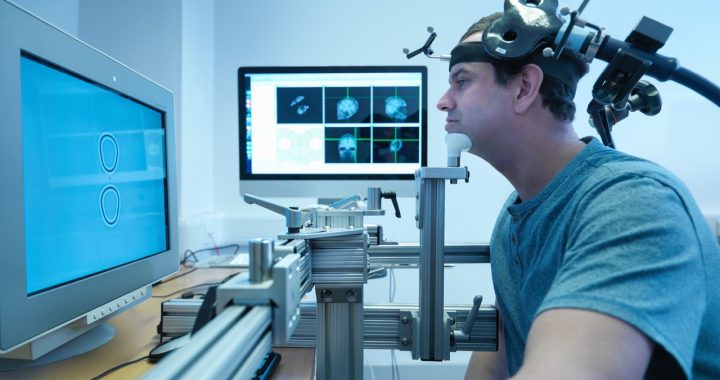
Noninvasive brain stimulation techniques can be broadly classified as electrical, magnetic, or sonographic. Let’s take a glimpse at the most common ones and their promising future.

Aging and aging related disorders like Alzheimer’s are often associated with cognitive decline. But we can all help our brain to prepare for later years by building up our mental reserves across our lifetime.

What are the promises and risks of digitalization for our brains? To answer this question, The Future of the Mind symposium at the Donders Institute explored the intersection of behavioral and neuroscience, artificial intelligence, ethics, economy, philosophy, and law.