Linking neuroscience to social-science using AI-agents
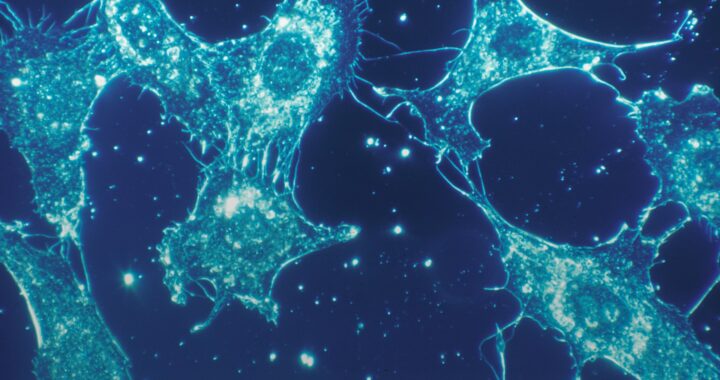
In this blog, we explore how simple decision-making mechanisms in the brain can evolve into complex social behaviour and how AI agents can help in finding such links faster.
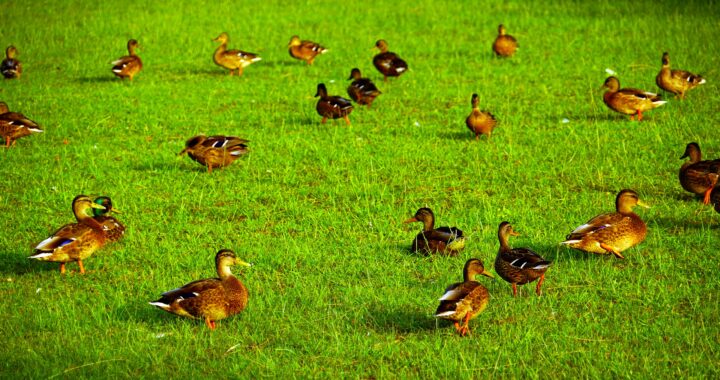
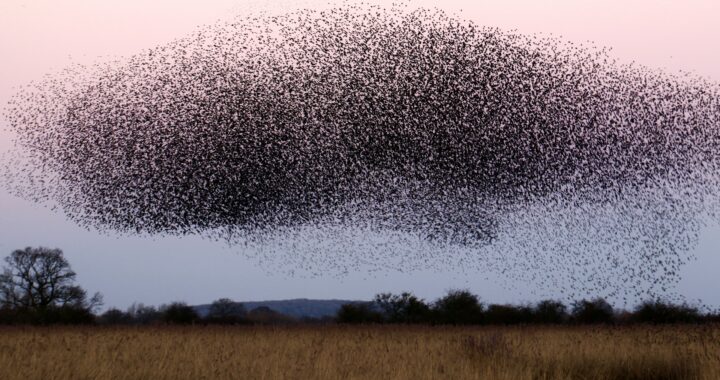
Active particles are entities that move themselves by consuming energy. This blog highlights the overlaps between the field of active particles and neuroscience.
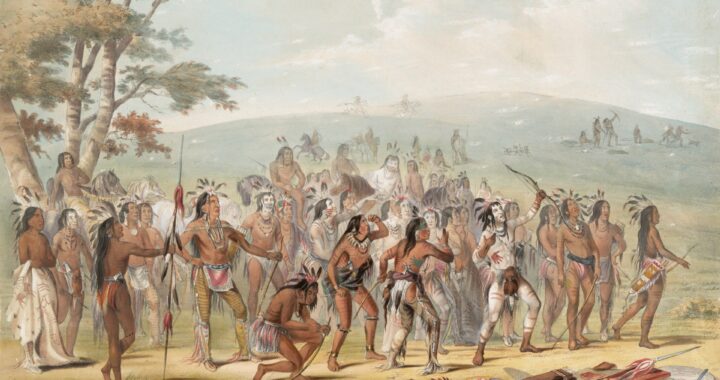
“Humans are social animals” is an understatement. In this blog, we dive into why humans are super-social animals and why we need to study the human brain beyond the individual and in the context of the culture that has evolved it.
Chatbots may not have bodies, but they act through ours. As we prompt, respond, and adapt, they become part of our cognitive loop; just slower, but no less real. Maybe the real question isn’t if they’re intelligent, but if we’ve started thinking with them.
Were you called a genius, visionary, or brilliant by an LLM (large language model) based on the last idea you discussed with it? But deep down, you know that the idea was half-baked and needed major refinement? The over-the-top ego massage may lead to an egoistic society. Read further to know why and how to stop it.
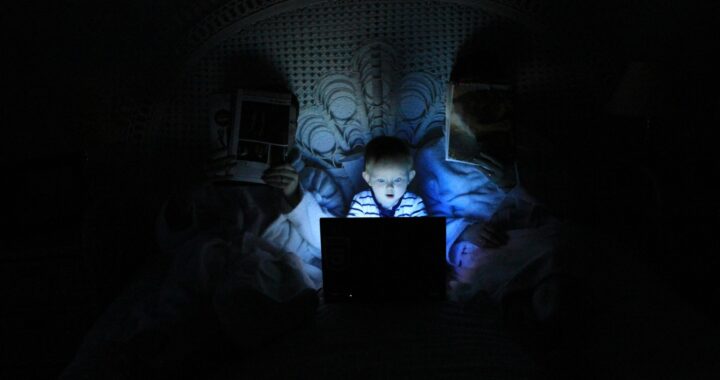
Winter’s long nights and short days already challenge our sleep cycles. Add blue light from screens and artificial lighting into the mix, and your circadian rhythm can spiral into chaos. Here’s a quick dive into why blue light disrupts sleep more during winter and what you can do about it.
The most valuable resource a society can hope to import, collect, and sustain is not oil, gold, or diamonds but the brain of a young scientist. Policymakers who forget this should revisit the fable of the hen that laid golden eggs. If the hen is killed, no more golden eggs.
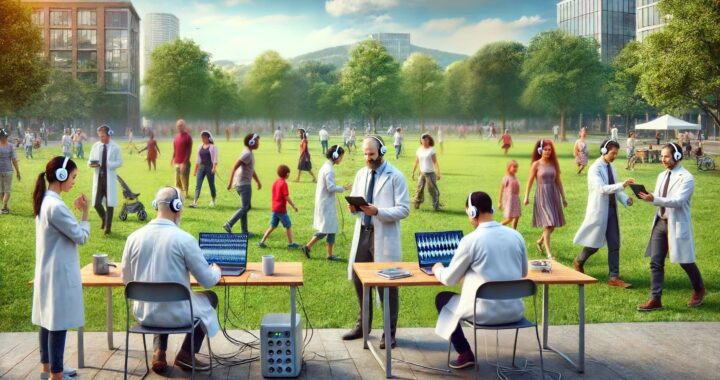
Imagine wearing devices that monitor and analyse your brain activity as you go about your daily life. It sounds scary and a potential privacy nightmare. Yet, this very technology, if used ethically, could unlock the mysteries of the brain, offering answers to questions we’ve long sought.
What makes a joke funny? What goes on in our brains when we produce or conceive a joke?
Robert Frost beautifully sets the context through his poem for this article, “Two roads diverged