 Does a city have a mind?
  Is there really an off switch for fear?
  How Estrogen Shapes the Female Brain

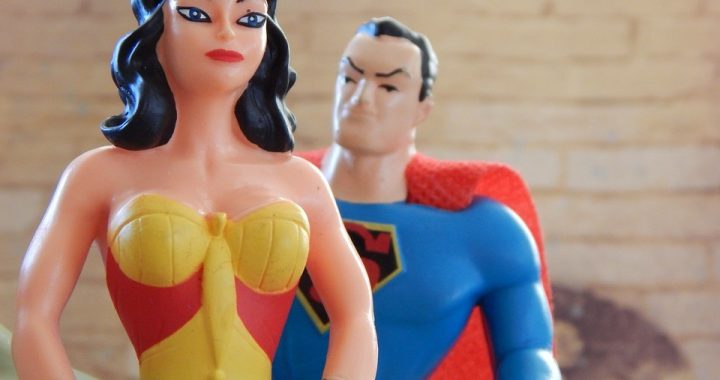
The greatest superpower of all?
Have you ever wished for superpowers like flying, supernatural strength or senses? Some people actually
Have you ever wished for superpowers like flying, supernatural strength or senses? Some people actually
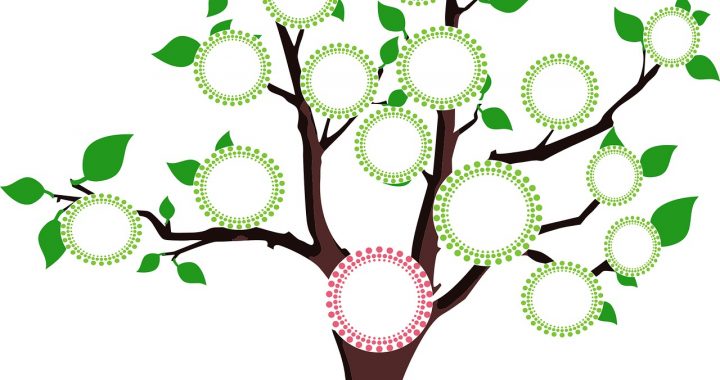
Many psychiatric and some neurological disorders run in the family. But if the cause is
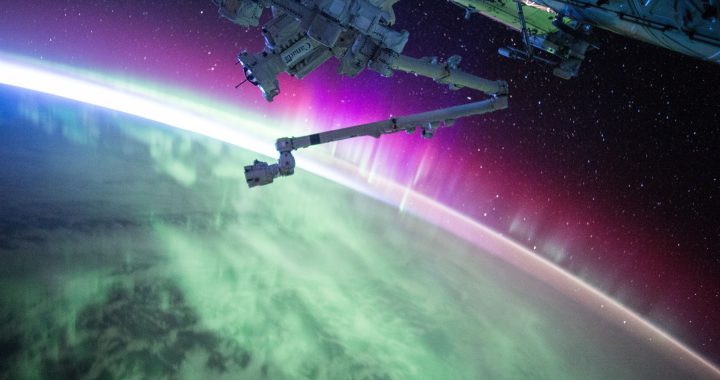
Scientists use statistics in order to generalize findings from small groups of participants to entire populations. Learn how they can do that with the help of a galactic friend.

Characterized as the feeling of not feeling, apathy is more than just boredom and laziness. What does it look like?
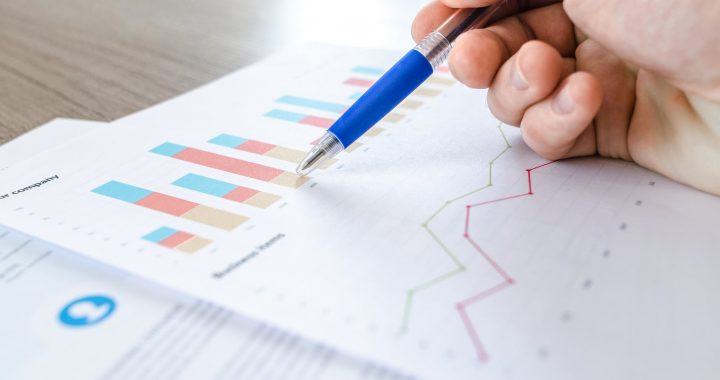
In science, we not only try to show correlations between things, but we also try to say something about the underlying cause and what its effect is (causation). In most cases, we can only investigate correlations. It is thus important to know how causation works.
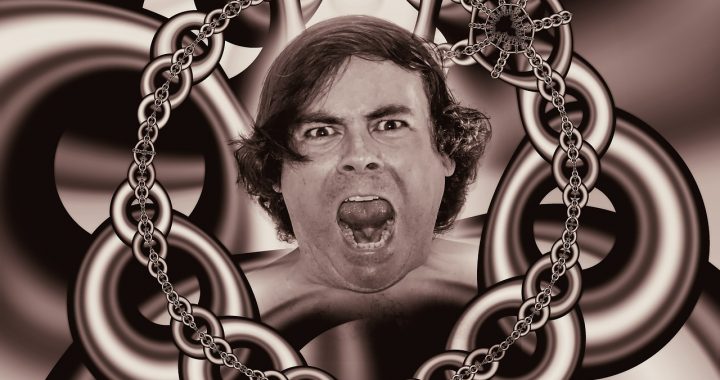
People suffering from psychotic-like experiences tend to believe in surreal things. But do you believe
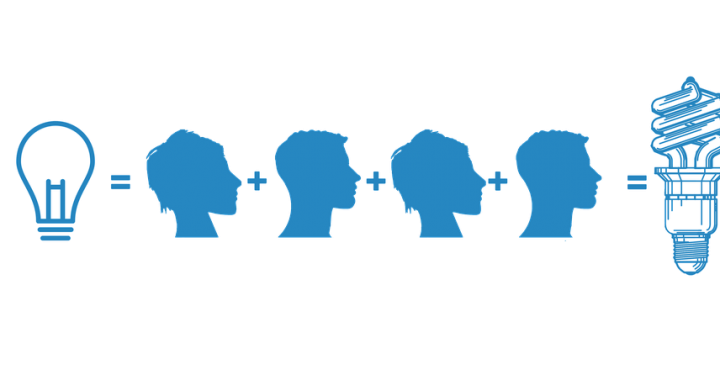
Gone are the days when the term “intelligence” was applied solely to humans. We now

Up to 30% of people with depression do not adequately respond to our current treatments. This is a tremendous problem given the detrimental effects of depression on a person’s well-being and their environment. In the past years, Esketamine—a new drug for depression—has emerged, but is it the solution we have been waiting for?
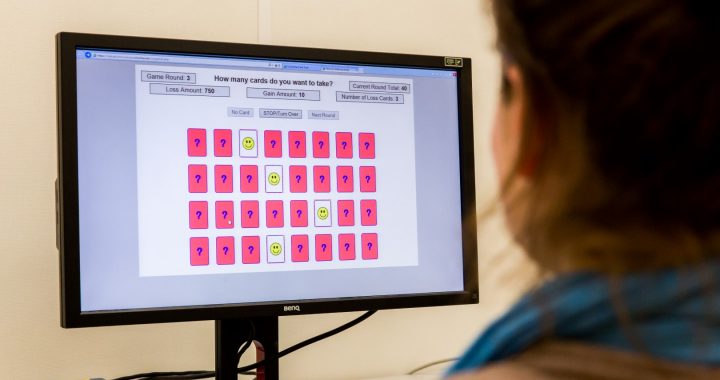
(Social) science needs participants, whether we like it or not. Without participants there is no data, and without data there is no knowledge. The reliability of our findings is inseparable from the identity of our participants and how we are able to motivate them.
If evaluated by today’s system, many of the greatest scientists of all time wouldn’t make the cut. So what’s wrong with how we’re assessing scientists?