 Does a city have a mind?
  Is there really an off switch for fear?
  How Estrogen Shapes the Female Brain


Why do we get distracted? Sometimes it’s good to be flexible
Getting distracted can interfere with our ability to get things done, but being open to outside thoughts isn’t always a bad thing and can actually help us with some tasks.
Getting distracted can interfere with our ability to get things done, but being open to outside thoughts isn’t always a bad thing and can actually help us with some tasks.

Talking to a friend? Easy enough, you might think. But while you’re listening to your friend, your brain is predicting when you can talk and what you’re going to say.

If you ask scientists why they conduct research, they often give the grandest of reasons: curing diseases, ending world hunger, or ending our dependence on fossil fuels. I found out you can be in science with a relatively smaller goal, and that that’s okay.

Only 7-15% of PhD candidates finish their doctorates on time, and, after that, many of them work unpaid to complete their degrees. Why is this the case, is it acceptable, and how can the situation be improved?
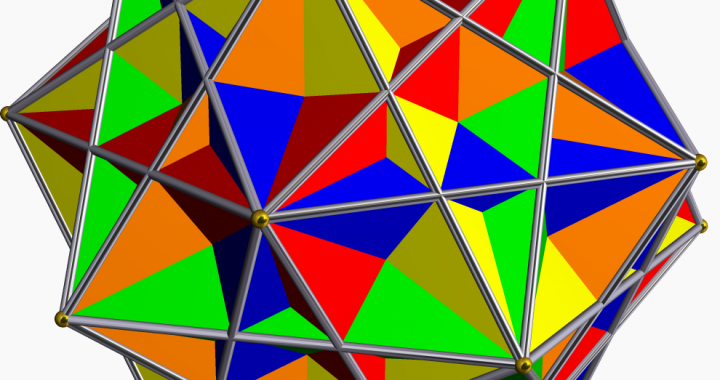
While we use the word “beautiful” in many different situations, you probably have not yet used this word to describe mathematical formulas. That is about to change.
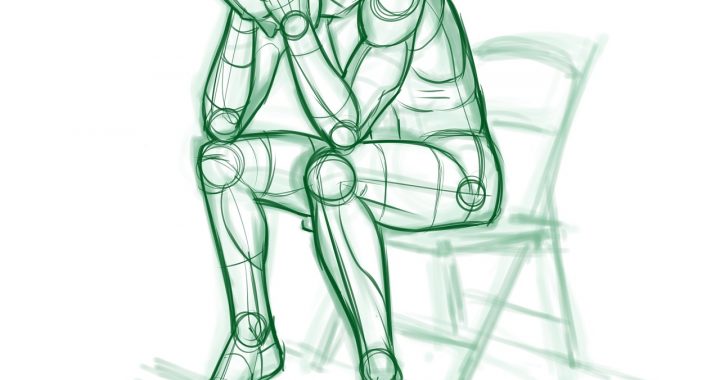
The emerging field of neuroimmunology offers a new approach to treating depression. How exactly do

A holiday in a foreign country is lovely. Unfortunately, travelling to another time zone is
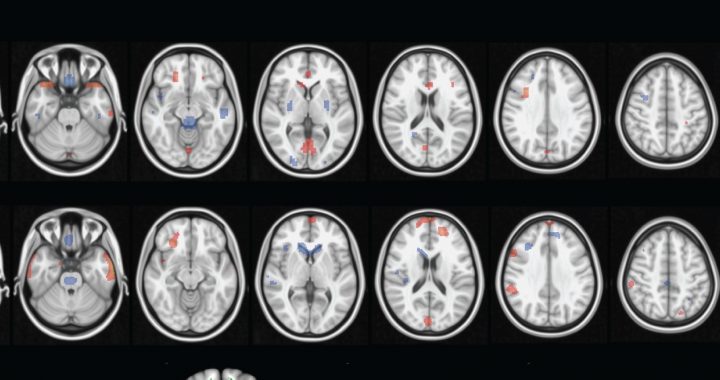
New methods of combining different types of brain structure can now tell us how individual differences relate to human characteristics and behavior.
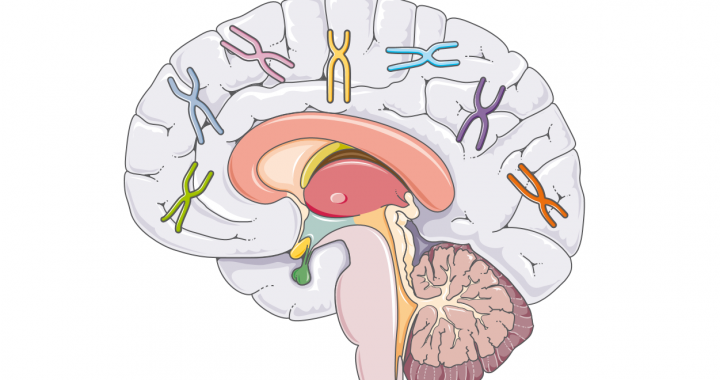
By identifying genes that play a role in brain disorders, scientists try to get new insight into the causes of brain disorders, but are they succeeding?
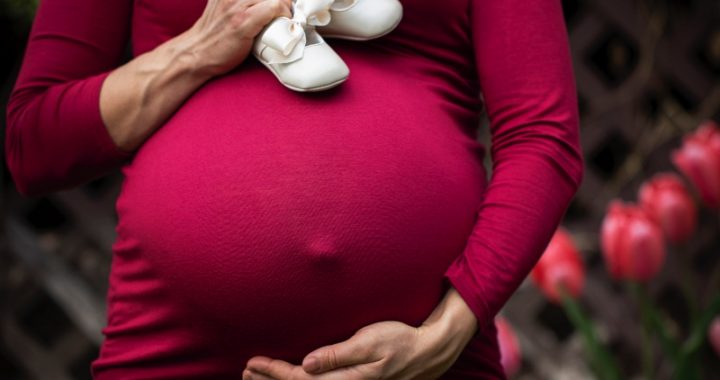
Some women are more forgetful during pregnancy, while others feel the same as before. Scientific evidence shows that some forms of memory function can be impaired during pregnancy, but this is not the case for all cognitive processes. If pregnancy forgetfulness is in fact a thing, we should be careful with how we, as a society, interpret this.