 Is there really an off switch for fear?
  How Estrogen Shapes the Female Brain
  What goes wrong in the brain when I lose focus?

Your immune system influences your brain
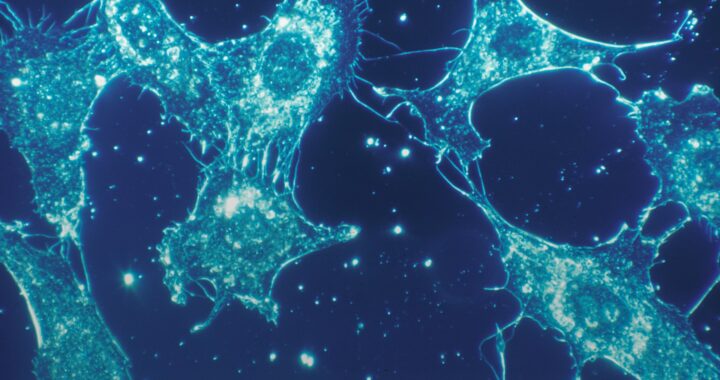
Your immune system is important, not just for battling diseases, but also for your mental health and plays a key role in depression.
Your immune system is important, not just for battling diseases, but also for your mental health and plays a key role in depression.

Want to squeeze the life out of a tiny fluffy kitten? Well, you are not alone.
Human actions are easily biased. These biases could help you accomplish simple tasks and distract you from your goal at the same time.
Change is stressful and can be hard to accept, but our brains are up to the challenge.
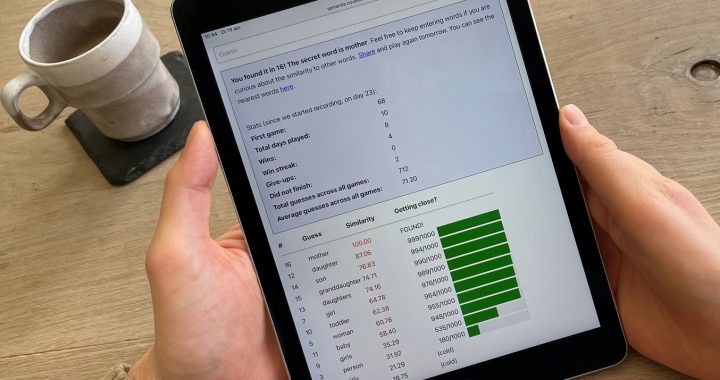
Better than Wordle: from my new favorite language game Semantle we can learn how computers understand the meaning of words based on context.
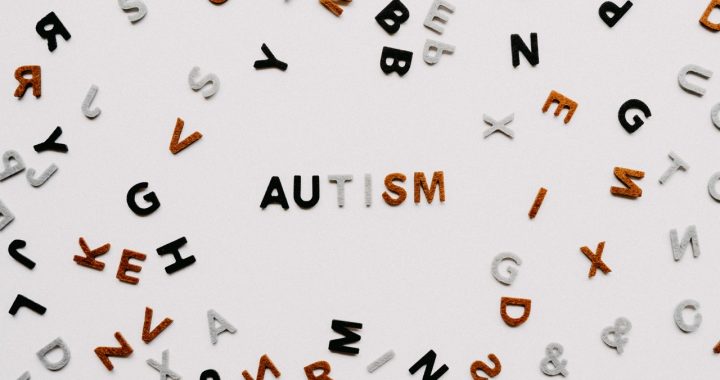
Whether it is preferred to say that someone is a ‘person with autism’ or an ‘autistic person’ is controversial. Even among the people concerned, very different opinions coexist. How do we decide what the right naming is and why?
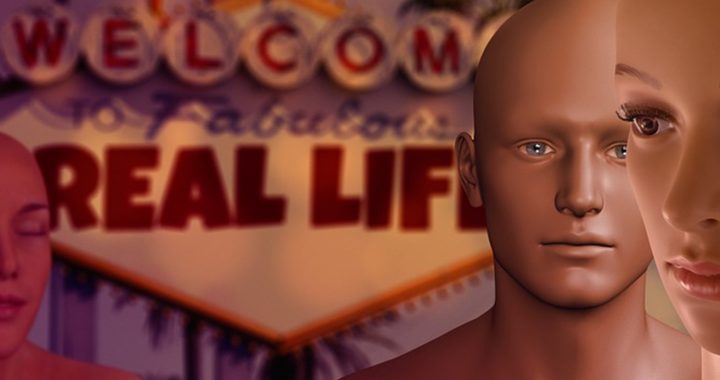
Do our brains tell the same story when we look at real and virtual faces? It appears, not quite. If virtual faces are not exactly the real deal, should we use them in psychology and neuroscience research?

From not reporting ideas in the workplace to not protesting a large-scale loss of individual rights and liberties, bystanders play an important role in how personal and global events unfold.
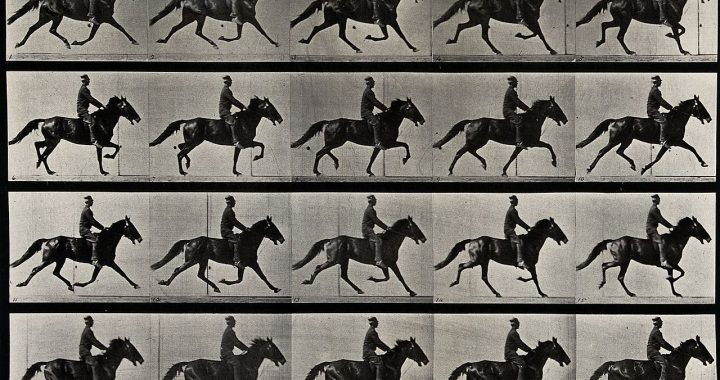
A film on a fancy TV can feel fake. This is because our brain uses previous experience to interpret the world.
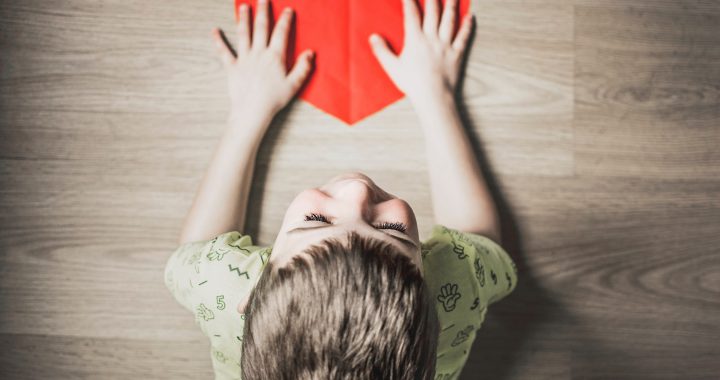
We experience the world through our senses. What happens though when sensory inputs become too much (or too little) to bear from a very young age? Surely, the world must feel different, and our experience of it would change along.