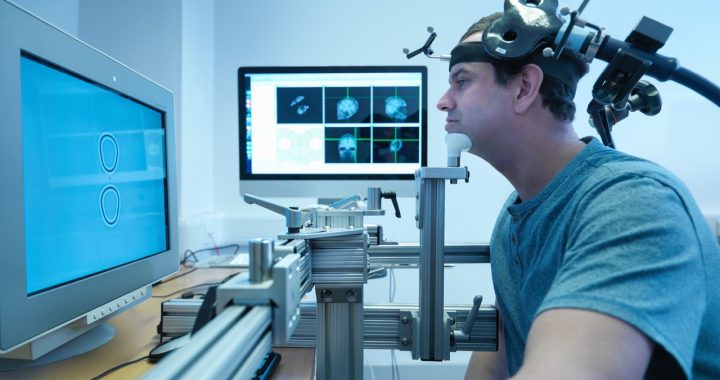
The Future of Brain Science: Non-invasive brain stimulation
Noninvasive brain stimulation techniques can be broadly classified as electrical, magnetic, or sonographic. Let’s take a glimpse at the most common ones and their promising future.
science
Noninvasive brain stimulation techniques can be broadly classified as electrical, magnetic, or sonographic. Let’s take a glimpse at the most common ones and their promising future.

Imagine controlling a computer or prosthetic limb with just your thoughts. Brain-computer interfaces are making this a reality, offering hope for medical breakthroughs and everyday conveniences. However, with these advancements come privacy, and ethical concerns. Explore the fascinating world of BCIs and what they mean for our future.

Imagine wearing devices that monitor and analyse your brain activity as you go about your daily life. It sounds scary and a potential privacy nightmare. Yet, this very technology, if used ethically, could unlock the mysteries of the brain, offering answers to questions we’ve long sought.

Aging and aging related disorders like Alzheimer’s are often associated with cognitive decline. But we can all help our brain to prepare for later years by building up our mental reserves across our lifetime.

Research into the therapeutic use of psychedelics is getting more and more attention. The first substances have already been approved for American and European markets. But what’s the current situation? Can we already ask the general practitioner for shrooms on prescription?

“The secret of happiness is: Find something more important than you are and dedicate your life to it.” This was said by Daniel Dennett, a world-renowned American Philosopher who sadly passed away on 19 April. He certainly followed his own word and left a legacy of his work on consciousness, free will, ethics and artificial intelligence. Let’s explore some of his ideas!

The book Surrounded by Idiots tries to explain human behavior by dividing people into four color-coded categories, but completely lacks validity. You are not surrounded by idiots, and let’s now also make sure you are not being the idiot yourself.

What makes a joke funny? What goes on in our brains when we produce or conceive a joke?
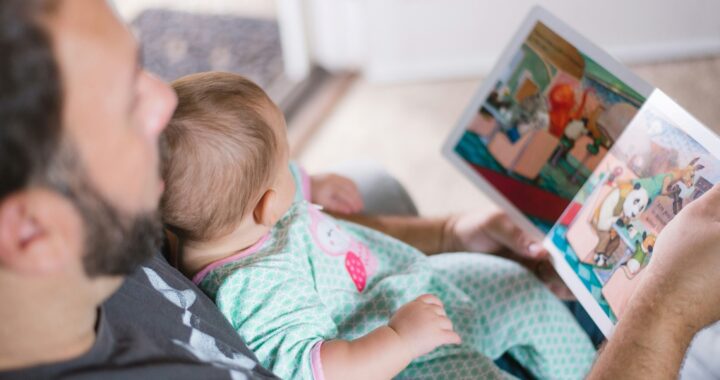
The pleasure from reading among youth is declining, and that’s a problem. Promoting reading pleasure early in childhood seems important. But is it really? And how do you promote the reading pleasure of children?

On March 14, the world-famous primatologist Frans de Waal passed away. His primate research not only expanded our knowledge of chimpanzees and bonobos, but also revealed fascinating insights about the most peculiar of apes: humans. Here, we show three lessons we learned from Frans de Waal.