
Cracking the Pronunciation Code: Could You Be a Super-pronouncer?
Are you someone who is often complimented for their perfect accent in a foreign language like English? Does learning accents come easily to you? You could be a “Super-pronouncer”!
Are you someone who is often complimented for their perfect accent in a foreign language like English? Does learning accents come easily to you? You could be a “Super-pronouncer”!

Have you ever felt your heart racing before getting on stage, only to feel your

Have you ever wondered how children become great communicators? Research shows that early social experiences, like those shared at daycare, could shape how well children are able to adjust their communication to others.

Some people are more sensitive to the environment than others. Recent research shows that individuals

The concentrations of the brain’s key signal molecules can be measured with magnetic resonance spectroscopy, a relatively unknown imaging technique. What can we learn about how our brains work with this technique?
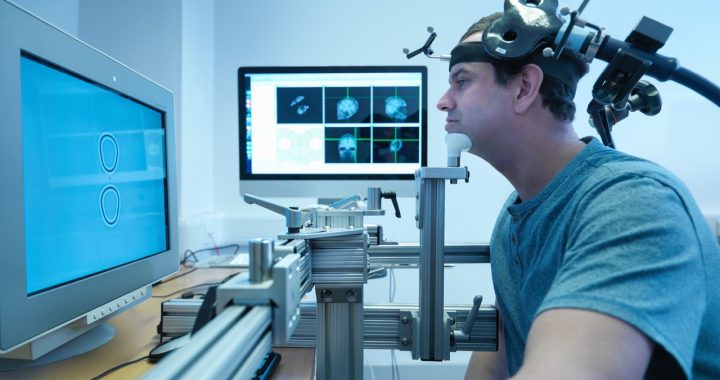
Noninvasive brain stimulation techniques can be broadly classified as electrical, magnetic, or sonographic. Let’s take a glimpse at the most common ones and their promising future.
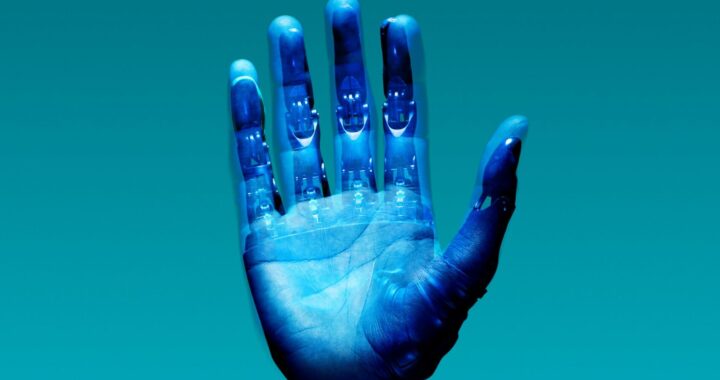
Imagine controlling a computer or prosthetic limb with just your thoughts. Brain-computer interfaces are making this a reality, offering hope for medical breakthroughs and everyday conveniences. However, with these advancements come privacy, and ethical concerns. Explore the fascinating world of BCIs and what they mean for our future.
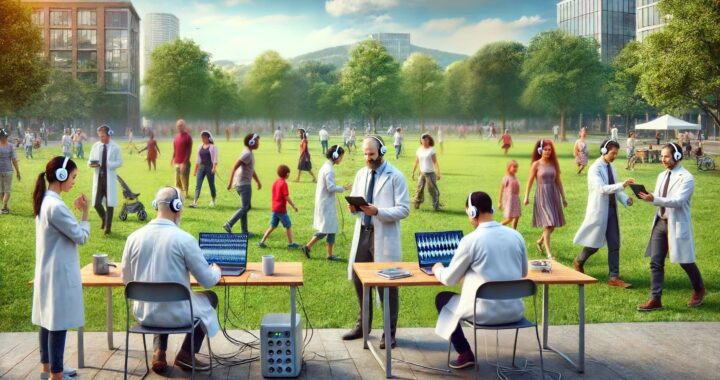
Imagine wearing devices that monitor and analyse your brain activity as you go about your daily life. It sounds scary and a potential privacy nightmare. Yet, this very technology, if used ethically, could unlock the mysteries of the brain, offering answers to questions we’ve long sought.

You wake up in the middle of the night, needing to use the bathroom, but avoid turning on the light to prevent being blinded. Even in an unfamiliar setting like a hotel room, you can find your way through the darkness. But how does the brain manage this? Over the years, researchers have been shedding light on the mechanisms supporting our brain’s ability to remember spatial information.

Aging and aging related disorders like Alzheimer’s are often associated with cognitive decline. But we can all help our brain to prepare for later years by building up our mental reserves across our lifetime.