The secret life of “aha!” moments and why we remember them
A sudden flash of understanding can feel magical. But new research shows that “Aha!” moments are more than just a feeling, they reshape our brains in ways that make those discoveries stick.
A sudden flash of understanding can feel magical. But new research shows that “Aha!” moments are more than just a feeling, they reshape our brains in ways that make those discoveries stick.

When we talk about the human brain, we often picture the adult form – a fully folded cortex, distinct regions, complex circuits, continuous changes and overlapping functions. Yet the story of how this structure emerges is one of the most striking narratives in biology. Early brain development is an orchestrated progression of cellular decisions, migrations, and refinements that begins long before birth and sets the stage for everything that follows.

In this blog, we explore how simple decision-making mechanisms in the brain can evolve into complex social behaviour and how AI agents can help in finding such links faster.

To get straight to the point: resilience is different from acting unbothered or forcing yourself
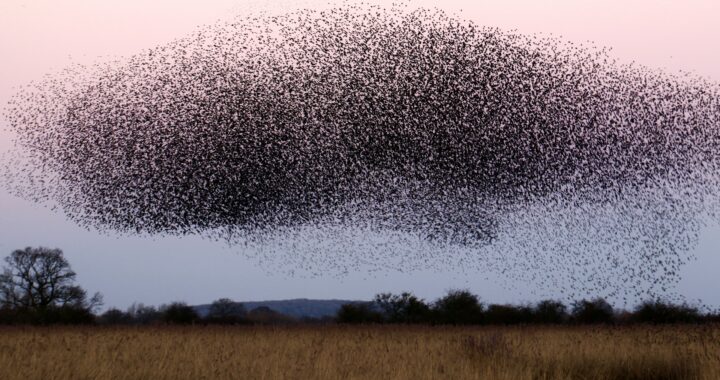
Active particles are entities that move themselves by consuming energy. This blog highlights the overlaps between the field of active particles and neuroscience.

Ever gotten the chills while listening to music? Research suggests that these chills occur when music breaks our expectations. While goosebumps once served survival functions for our ancestors, today they reveal the emotional impact music can have on us.

When you think about the brain, you might imagine a map with neatly labelled regions, one part for vision, one for language, another for movement. This picture is appealing because it gives the sense that our mental life can be cleanly divided into separate boxes. But the reality is far more fascinating, and a little messy.
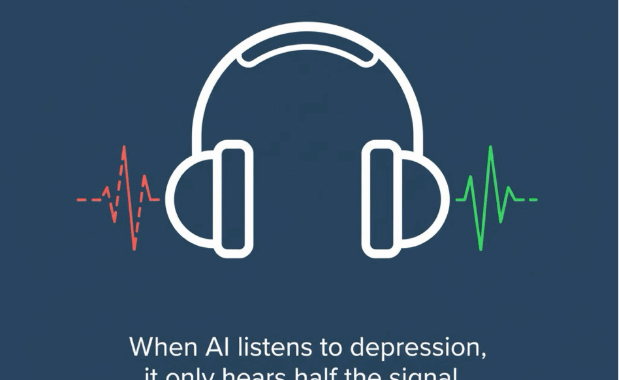
Scroll through any social media feed and you’ll find people sharing their highs and lows, sometimes openly, sometimes between the lines. For years, researchers have hoped that artificial intelligence (AI) could learn to recognize early signs of depression from our words. The idea is simple and powerful: if language carries emotional fingerprints, algorithms might one day detect distress before it becomes a crisis.
But what if these systems end up hearing some experiences more clearly than others?
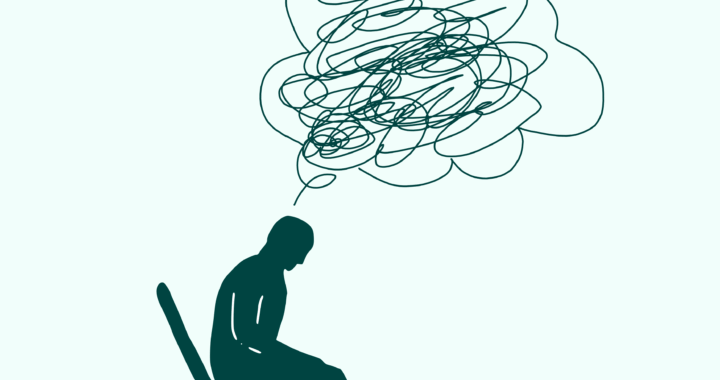
Worrying, overthinking, replaying things that happened in the past. Your thoughts keep spinning around – sometimes useful, but they can also trap you in a negative, recurring spiral. Researchers at the Donders Institute are trying to find out how we can break free from such streams of thought. Does mindfulness help? Or is simple distraction enough?
In a previous blog, we discussed the concept of working memory gating: the brain’s mechanism