 Does a city have a mind?
  Is there really an off switch for fear?
  How Estrogen Shapes the Female Brain



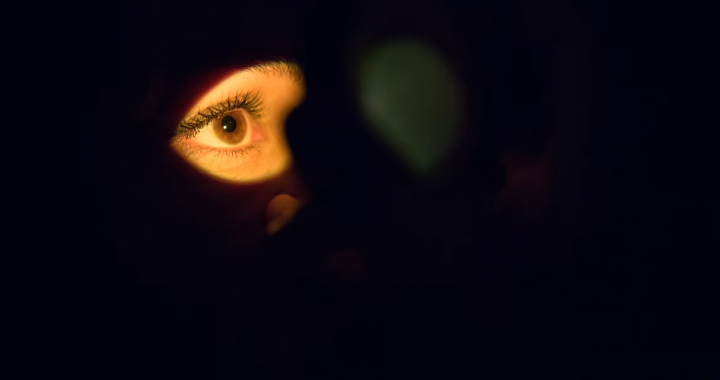
Attention can be blinding
How is it possible that we sometimes overlook visible things? Paying attention to one thing makes you blind to (almost) everything else.
How is it possible that we sometimes overlook visible things? Paying attention to one thing makes you blind to (almost) everything else.
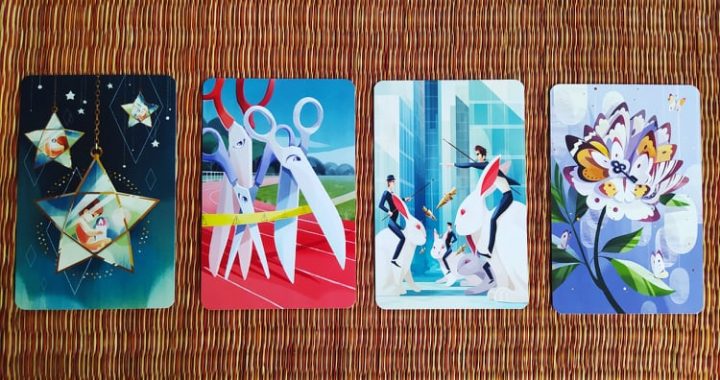
The new year’s resolution is a tradition that goes back way long to when people used to make promises to gods to pay off their debts. But how about today? Is it all good or can it bring forward some challenges along with it?

Recognising emotions is an important skill that helps us in social encounters. But how you feel yourself affects how well you can do this

No matter how sated you may feel, there’s always room for dessert. Sensory specific satiety and relaxing your stomach can give you just enough room for a slice of cake.
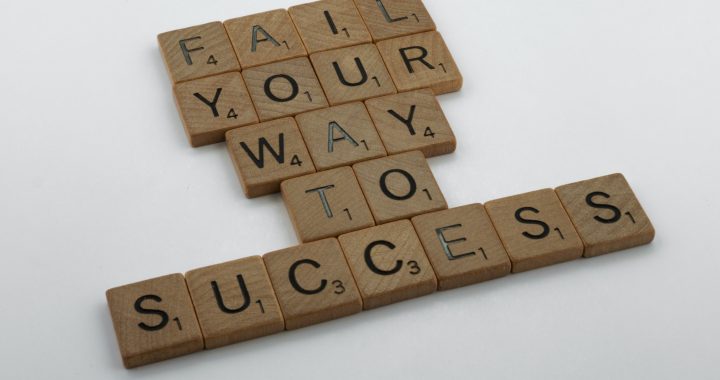
What to do when facing a situation we’re not familiar with? Too many unknown elements to react intuitively. That’s when we need to pause and think about a new plan. And then, just try and see?

PKU can be difficult, but it has also given me a lot of appreciation. I now realise that I owe my brain – and the rest of my life – to science.
Are small-brained animals capable of elaborate learning?

Even though preparing words and sentences takes a long time, people usually respond very quickly in conversation. How is that possible?

Are you anxious about joining in social events again, or do you simply enjoy solitude?
Technology is typically created and shaped by developers. However, real breakthroughs lie in diversity of