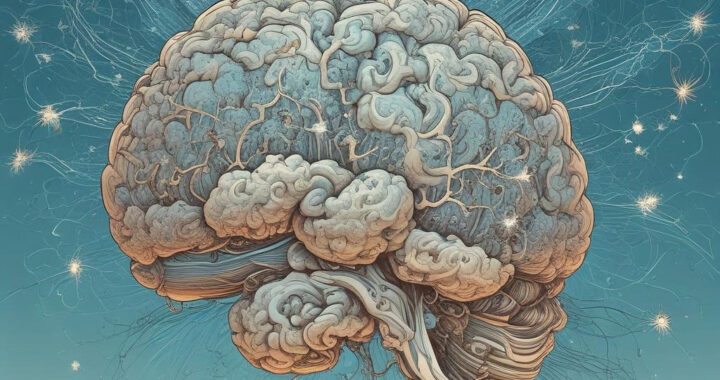
Navigating the turbulent seas of brain activity
Have you ever wondered about the mysterious workings of the human brain? Scientists have long
The book Surrounded by Idiots tries to explain human behavior by dividing people into four color-coded categories, but completely lacks validity. You are not surrounded by idiots, and let’s now also make sure you are not being the idiot yourself.
What makes a joke funny? What goes on in our brains when we produce or conceive a joke?
The pleasure from reading among youth is declining, and that’s a problem. Promoting reading pleasure early in childhood seems important. But is it really? And how do you promote the reading pleasure of children?
As I was walking through the streets of Manhattan, I experienced what I call the “Times Square effect”: too many things to sense at once. It put me in this contemplation state where I am both fascinated and overwhelmed by my surroundings.
On March 14, the world-famous primatologist Frans de Waal passed away. His primate research not only expanded our knowledge of chimpanzees and bonobos, but also revealed fascinating insights about the most peculiar of apes: humans. Here, we show three lessons we learned from Frans de Waal.
Grief isn’t just a human emotion; animals show similar behaviors when facing loss. From elephants mourning their fallen to dolphins carrying their deceased calves, exploring animal grief offers profound insights into our shared experiences with death.
Have you ever learned a new word or concept, only to start noticing it everywhere? This is called the Baader-Meinhof phenomenon, and it is not just exclusive to learning a new language.
We make choices all day long. But what is the effect of stress on your choices? The reward system and stress system are connected, making the advantages of a choice suddenly seem more important than the disadvantages. But what are the long-term effects of this?