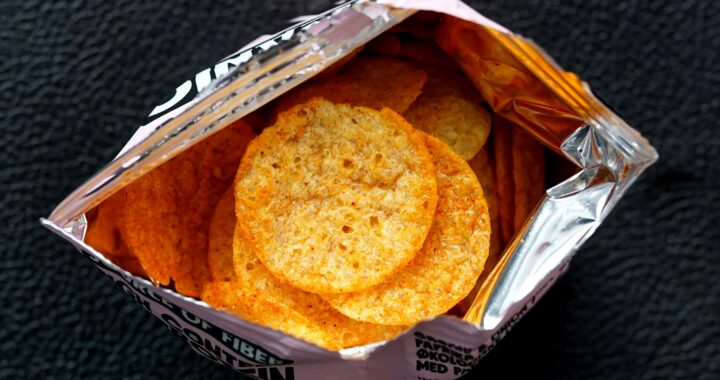
Why do we always empty a bag of crisps in one go
It is a familiar scenario for many people: you take a bit of chips and
Whether it is your sister’s birthday or your parents’ anniversary, the search for the perfect gift begins! But what actually happens in our minds when we give a gift? And is it really true that giving gifts makes us happier than receiving?
Have you ever produced a brilliant idea, only to have someone point out it’s oddly similar to something that came out years ago? This phenomenon is called cryptomnesia and occurs when you have encountered something previously, but it is hidden from your conscious memory, leading you to believe it’s a novel idea
Whether it’s checking your daily horoscope for love advice or sharing zodiac memes with friends, astrology is everywhere. Many of us find comfort in the idea that the stars might hold clues about our lives—but can they really?
Why we dream has been a mystery for centuries. Neuroscientists in California have come up with a possible answer: Dreams might be a way for the brain to protect itself.
We usually think of memory as something that happens only in the brain. But what if it’s not just neurons that can learn? Research by Nikolay Kukushkin suggests that other cells in the body can also adapt and “remember,” using methods like spaced repetition.
“What if your brain’s function isn’t just about connections but also about its shape? Scientists have discovered that the brain’s geometry shapes its function—challenging decades of neuroscience!”
As you casually buy gifts for the holidays, a hidden force guides you towards certain stores and products. Unbeknownst to you, their appearance has been tailor-made to catch your attention. This is neuromarketing; utilizing the brain’s reactions to ads and products.
Stereotypes help us navigate social situations, but they can also mislead us. What happens when our assumptions clash with reality? Using a unique communication game, researchers reveal how feedback reshapes our behavior and how early experiences influence our ability to adapt.
Functional MRI (fMRI) has long been a core method to study brain function. Conventional fMRI,