
Broken connection: Smartphone use in front of your child
Sending a message, scrolling through your social media, or checking your e-mail in front of your child. Research shows that this affects the bond with your child.
Sending a message, scrolling through your social media, or checking your e-mail in front of your child. Research shows that this affects the bond with your child.

The prevalence of Parkinson’s disease is on the rise but current treatment options are still limited. Could music-based movement therapies alleviate symptoms of this debilitating disease?

Researchers are actively exploring the brain’s remarkable adaptability and recovery potential following injuries, particularly in the context of post-stroke rehabilitation. This exploration promises innovative interventions that could lead to transformative treatments in the field of brain recovery.

We live in a quickly changing world where we need to adapt to new environments on a regular basis. For example, when learning a new language. But what factors contribute to this successful learning, and what happens when we encounter challenges?

A bored man was working at developing energy sources for radar systems. He failed and wanted to have a coffee break. Suddenly, he realized that the chocolate bar in his pocket had melted during his experiments: he had just discovered the microwave. Many breakthroughs happened by accident – or should I say: boredom. Research studies revealed that getting bored engages the same brain areas as creative thinking.

It’s no secret that people generally prefer tasks that are easy and require minimum effort over those that are more challenging. A recent study shows that you can overcome this laziness when there’s a chance for learning.

Properly ending chapters in your life is important for how you feel and move on to the next phase in life.

Father’s Day: What makes somebody a father? Frequently performing caregiving tasks can change your brain in a way that helps you to be a good parent to your child.
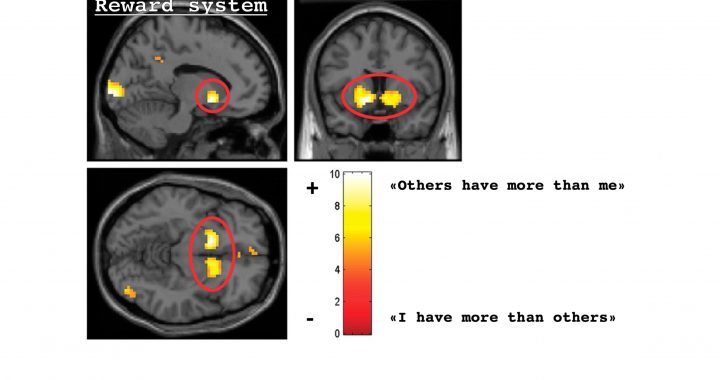
Social comparison, or the tendency to compare oneself with another, is an individual behavior largely embedded in cultural and political background. Research has converged on the idea that the brain’s reward-related system is involved. Why is that?