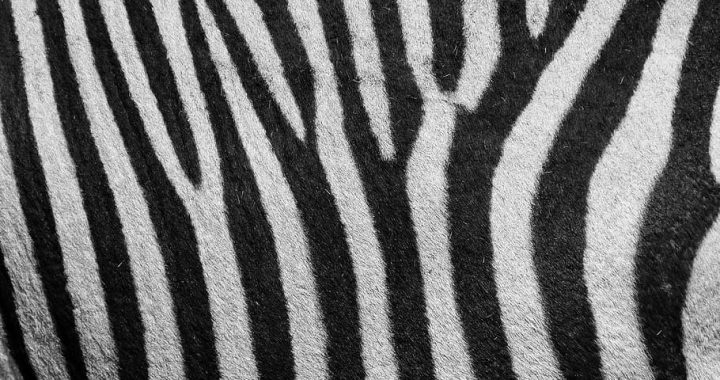
How to puzzle perception? A debate inside your brain
All day long we predict what we think we’re seeing. But sometimes groups of neurons in our brain disagree and start to compete. This is how images can get quite confusing.
science
All day long we predict what we think we’re seeing. But sometimes groups of neurons in our brain disagree and start to compete. This is how images can get quite confusing.

For the last few weeks, the nationwide instructions have been clear: Keep your distance in order to reduce the spread of the coronavirus. But not everyone adheres to these rules. There are even “lockdown parties”, where groups of students party behind closed doors. Why do people partake in such behaviour? And even more important: How can we convince them to stop?
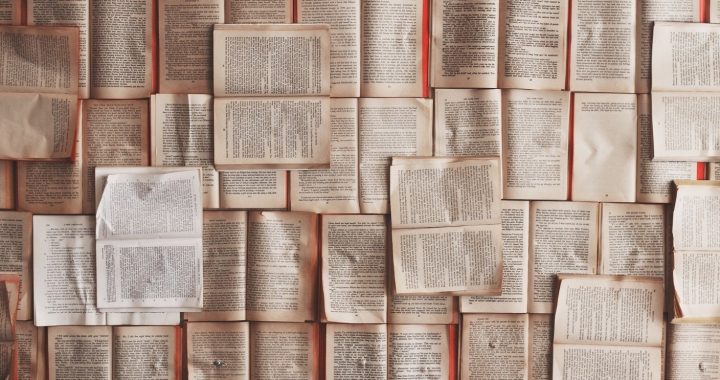
Reading comes so naturally, almost effortlessly, but not for the brain. Each sentence we read triggers great activation in our brain. Curious how?

Humans are good at learning and we do it all the time, from the day

Formula One drivers push the limits of their capacity, physically and mentally. Find out which

The Donders Wonders has reached 500 blog posts! To celebrate, today we take a look back at those 500 blogs.

“Friends! How are you? Donders Wonders will publish its 500th blog soon – it’s a miracle! And we’ve been asked to write that post. How cool is that?!”

In many roles, as a student, citizen, or participant in an experiment, a certain obedience is expected of us. But how obedient are we actually, and is it always desirable?
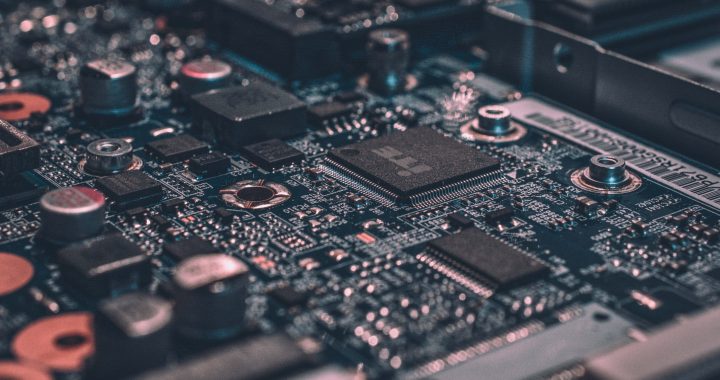
There are many analogies between brains and computers. The artificial neural networks that underlie face or voice recognition are even inspired by our brains. But do the analogies also go the other way round? How do computers work and how do brains compare?

Staying in touch with family and friends is not only a pleasant way of spending time, but is also good for your health and probably your brain.