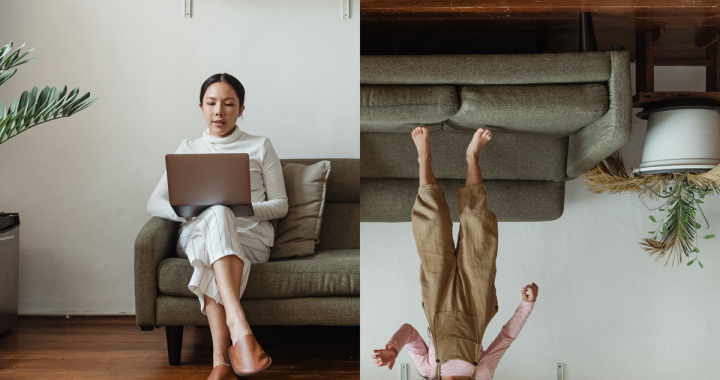
The new way of working (from home)
Working from home is challenging, but it can teach you to be very efficient by working in short cycles, taking good breaks, and by integrating work and private life instead of separating them.
Working from home is challenging, but it can teach you to be very efficient by working in short cycles, taking good breaks, and by integrating work and private life instead of separating them.
Who would say no to a compliment about their own work? It feels good, right? What about one that doesn’t feel entirely honest? Most importantly, is all praise the same?

Do you know excellence may be achieved easily? Check how scientists think of it!
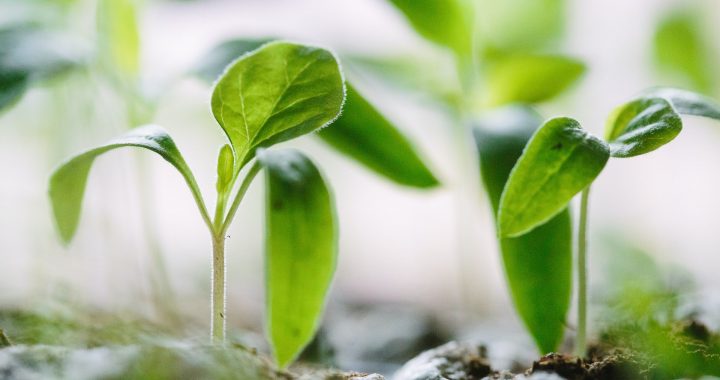
Gardening is not just cheaper than therapy, it also gives you tomatoes…
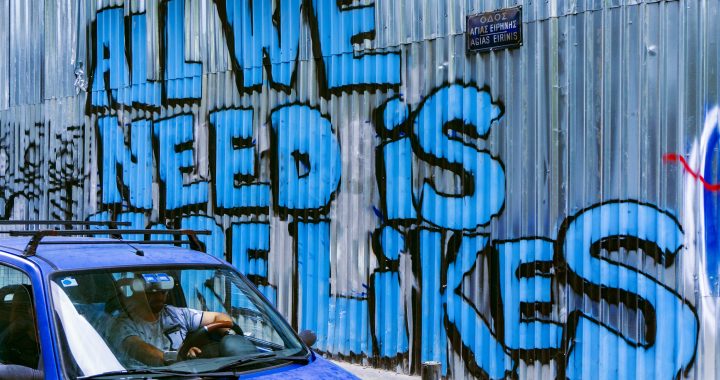
Nowadays, the anonymization and greater social distance involved in online social interactions appear to facilitate misbehavior and a lack of empathy. Why is it easier to ignore, criticize, or mock people when online?
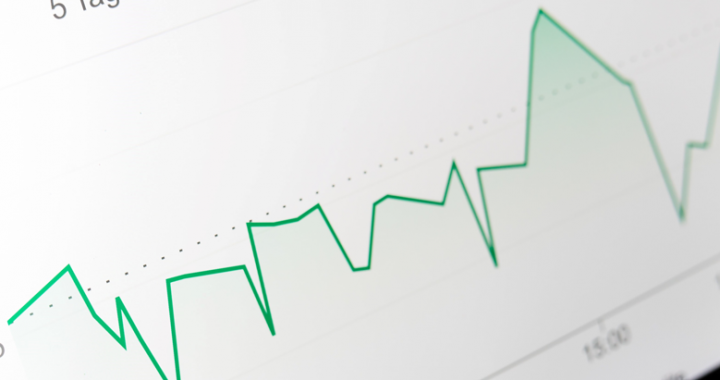
You regularly come across graphs on television, in the newspaper and on the internet. Unfortunately,
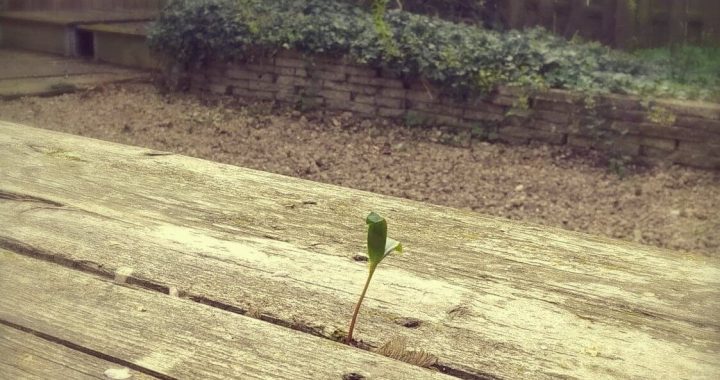
Is bouncing back from adversities and stress a skill you learn or an inherent capability that some of us are lucky enough to possess?
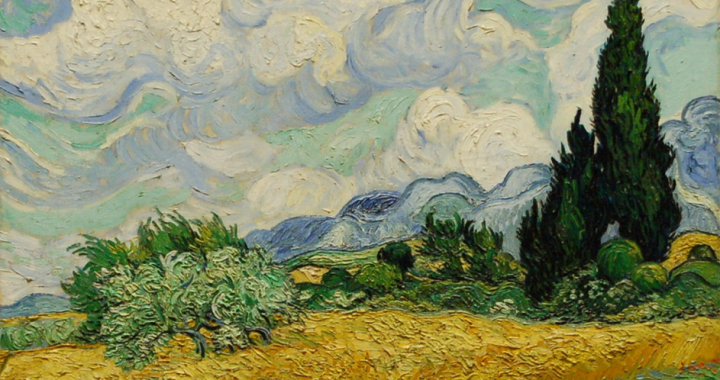
Who’s never felt the urge to work during holidays? Setting boundaries between work and time off can be challenging. But maybe we should consider taking a break as also part of the job. An opportunity to step back, think differently, and take time for yourself and others.

Since May, the protests centered around the Black Lives Matter movement have forced us to gaze into a mirror and ask ourselves this very question. Resultant discussions among friends, in the news, and on social media have shown us that we must no longer ignore racism or remain silently complicit in its propagation. This uncomfortably challenging examination of ourselves and society requires an open mind and honest self-reflection.
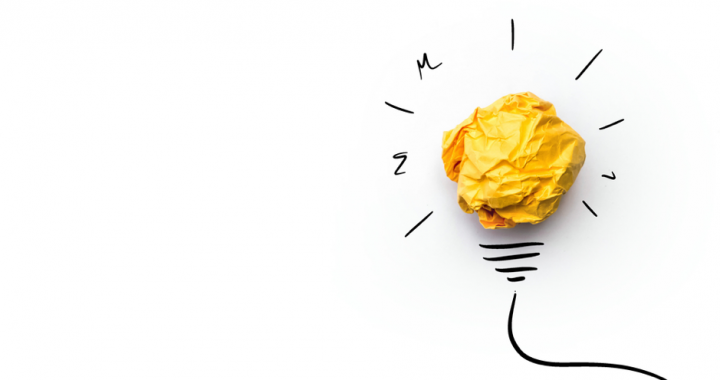
The Nobel prize winner Linus Pauling used to say “I think I think harder, think more than other people do” to explain his remarkable creative performances. And he was probably right: not everyone could have unravelled the mystery of how atoms are arranged and bounded together (Nobel Prize in Chemistry, 1954). Yet, does it mean that creativity isn’t within everyone’s reach? What is creativity really and how can we master it?