 Is there really an off switch for fear?
  How Estrogen Shapes the Female Brain
  What goes wrong in the brain when I lose focus?



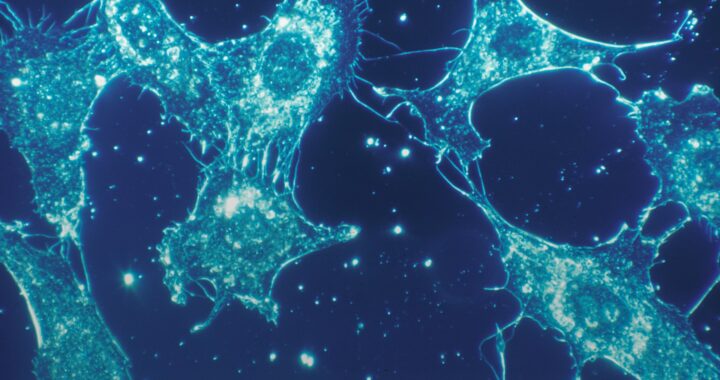

Every brain forages
Foraging unveils the primal essence of decision-making in natural brains. How can we leverage it to understand brains and design predictable AI?
Foraging unveils the primal essence of decision-making in natural brains. How can we leverage it to understand brains and design predictable AI?

People differ in how sensitive they are to environmental stimuli. Scientific research shows that there are advantages for learning, such as attention to detail, for those individuals who are highly sensitive.

We tend to underestimate to what extend luck plays a role in our successes. Consequently, we are more motivated and tend to perform better in our endeavors. But might this common bias have a downside?
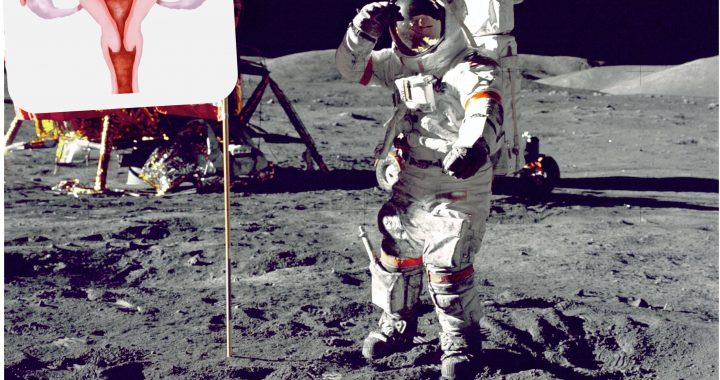
Is there a lunar clock in the female brain to influence menstrual cycles? Many research studies show that it is just a dusty old myth. How about in ancient times, when most of our biological rhythms were still governed by natural light?
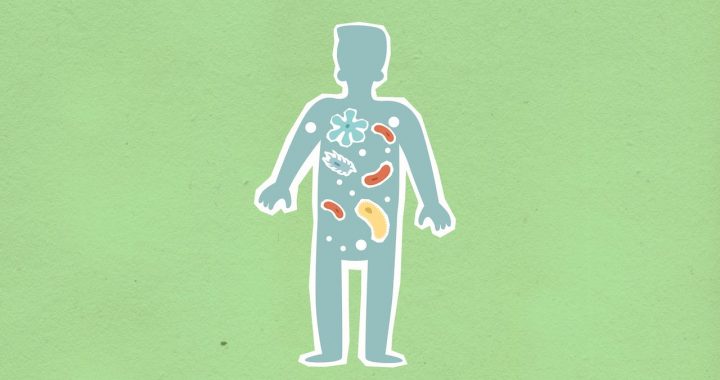
Your intestines and your brain are linked. Because of that, the composition of your gut bacteria can influence the aging of your brain.
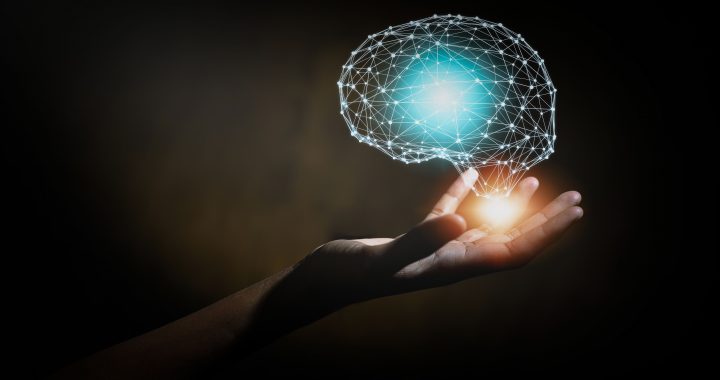
For social creatures such as humans, communication is key. However, certain conditions can make verbal communication difficult. Recent studies have been able to use Brain-Computer Interfaces to translate brain signals to speech so they can help speech-impaired patients communicate without needing to speak.

Sending a message, scrolling through your social media, or checking your e-mail in front of your child. Research shows that this affects the bond with your child.

Does liking true crime make us all potential serial killers?

The prevalence of Parkinson’s disease is on the rise but current treatment options are still limited. Could music-based movement therapies alleviate symptoms of this debilitating disease?
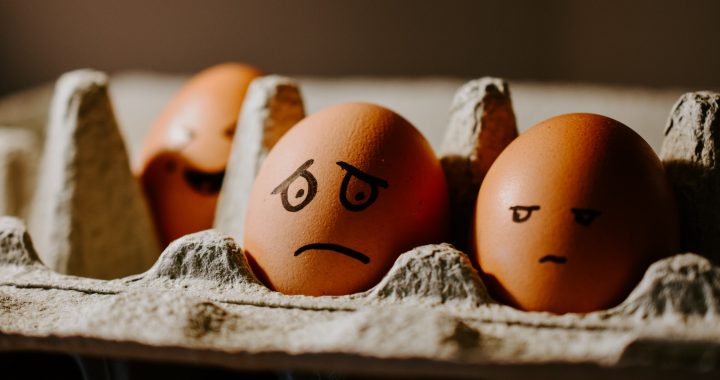
Our emotions are not solely determined by what happened to us; they can also be influenced by changes in some of our neurotransmitters, such as dopamine and serotonin.