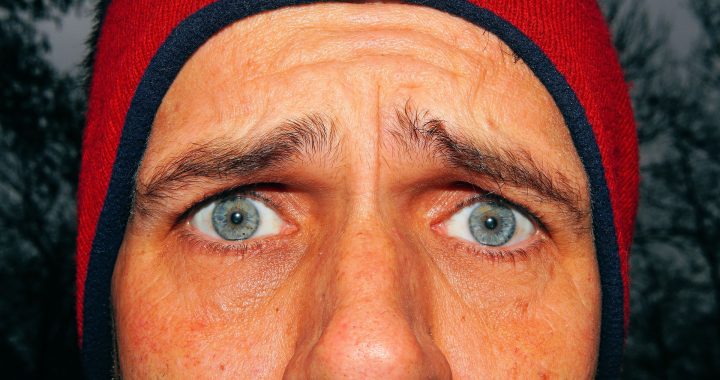
Eyebrows don’t lie.
In the 80s we kept them bushy, in the 90s ultra-thin, and nowadays bold and big. Eyebrows have undergone many changes through the years (some arguably better than others). One change has been key to human socialization.
In the 80s we kept them bushy, in the 90s ultra-thin, and nowadays bold and big. Eyebrows have undergone many changes through the years (some arguably better than others). One change has been key to human socialization.


Would you believe that a) an octopus has three hearts, or b) Einstein performed poorly

Videoconferencing is often experienced as more exhausting than live meetings, but why is that?

Is our behavior shaped by nature or by nurture, that is, by genes or by environment? Nature and nurture are not exactly like chicken and egg, but more like one big chicken-egg scramble that simmers continuously throughout our lives and is stirred and seasoned all the time.
It is believed that children start to feel their sex identity and express their own gender by the age of three. However, if we consider that gender/sex identity is not something that you build from one day to the next, one question remains: how and when do we start embodying our gender/sex?

We all are aware that we spend a lot of time on the phone. We are less aware that sometimes we may snub others in favour of our phone. This behaviour is called phubbing and it is more frequent than we may expect.

Reading bad news can be surprisingly habit-forming.

Press your face firmly into the snow and the imprint looks like the real thing. This optical illusion reveals how your brain functions.