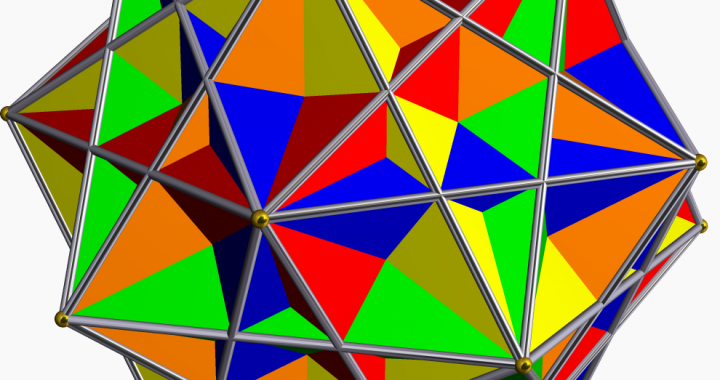
Mathematical beauty
While we use the word “beautiful” in many different situations, you probably have not yet used this word to describe mathematical formulas. That is about to change.
science
While we use the word “beautiful” in many different situations, you probably have not yet used this word to describe mathematical formulas. That is about to change.

A holiday in a foreign country is lovely. Unfortunately, travelling to another time zone is
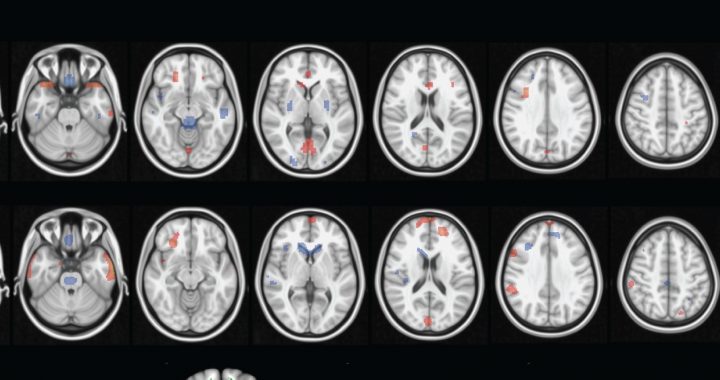
New methods of combining different types of brain structure can now tell us how individual differences relate to human characteristics and behavior.
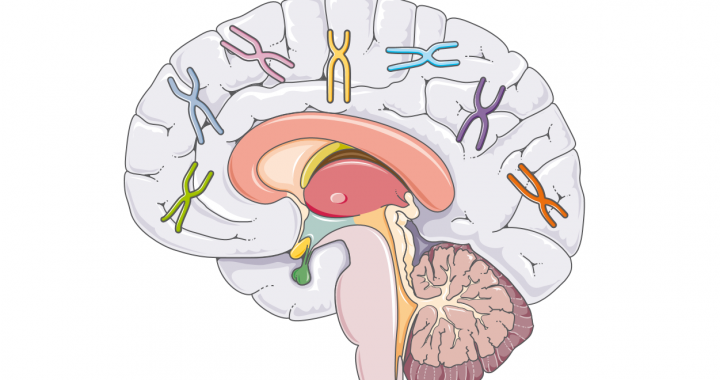
By identifying genes that play a role in brain disorders, scientists try to get new insight into the causes of brain disorders, but are they succeeding?
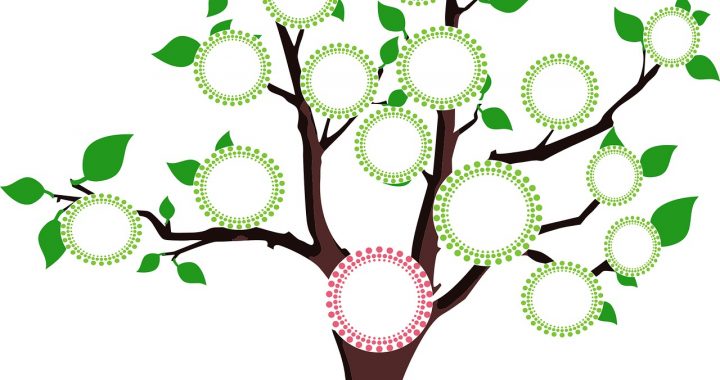
Many psychiatric and some neurological disorders run in the family. But if the cause is
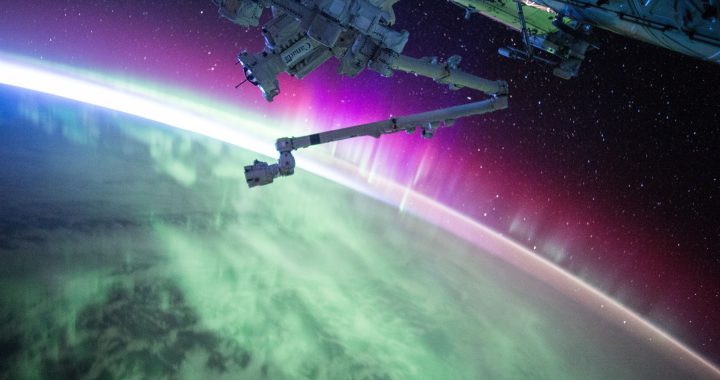
Scientists use statistics in order to generalize findings from small groups of participants to entire populations. Learn how they can do that with the help of a galactic friend.

Characterized as the feeling of not feeling, apathy is more than just boredom and laziness. What does it look like?

In science, we not only try to show correlations between things, but we also try to say something about the underlying cause and what its effect is (causation). In most cases, we can only investigate correlations. It is thus important to know how causation works.

Up to 30% of people with depression do not adequately respond to our current treatments. This is a tremendous problem given the detrimental effects of depression on a person’s well-being and their environment. In the past years, Esketamine—a new drug for depression—has emerged, but is it the solution we have been waiting for?
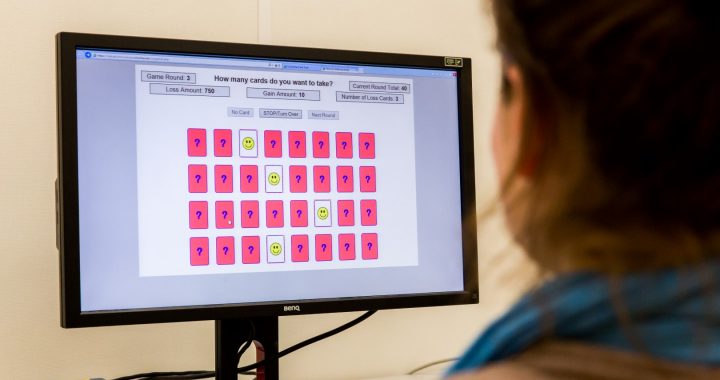
(Social) science needs participants, whether we like it or not. Without participants there is no data, and without data there is no knowledge. The reliability of our findings is inseparable from the identity of our participants and how we are able to motivate them.