
Climbing out of depression: the science behind boulder psychotherapy
It is time to rethink our approach to mental health treatment. As depression rates rise
It is time to rethink our approach to mental health treatment. As depression rates rise

Brain Computer Interfaces are technologies that open up new realms of possibilities in medicine and beyond, but ethical guidelines and legislation have not yet caught up with the rapid developments in this field. What can this technology do? And what does the future hold for it?

Fear of spiders (arachnophobia) is one of the most common fears. Researchers consistently find that people are more afraid of spiders than other bugs, this blog explains why this might be and how to overcome this fear.

As you casually buy gifts for the holidays, a hidden force guides you towards certain stores and products. Unbeknownst to you, their appearance has been tailor-made to catch your attention. This is neuromarketing; utilizing the brain’s reactions to ads and products.
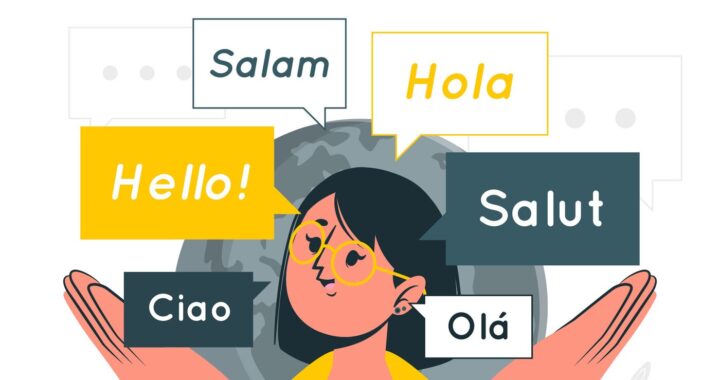
Are you someone who is often complimented for their perfect accent in a foreign language like English? Does learning accents come easily to you? You could be a “Super-pronouncer”!

The concentrations of the brain’s key signal molecules can be measured with magnetic resonance spectroscopy, a relatively unknown imaging technique. What can we learn about how our brains work with this technique?
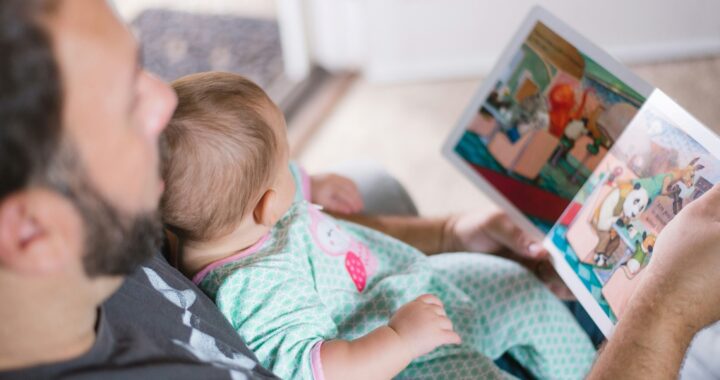
The pleasure from reading among youth is declining, and that’s a problem. Promoting reading pleasure early in childhood seems important. But is it really? And how do you promote the reading pleasure of children?
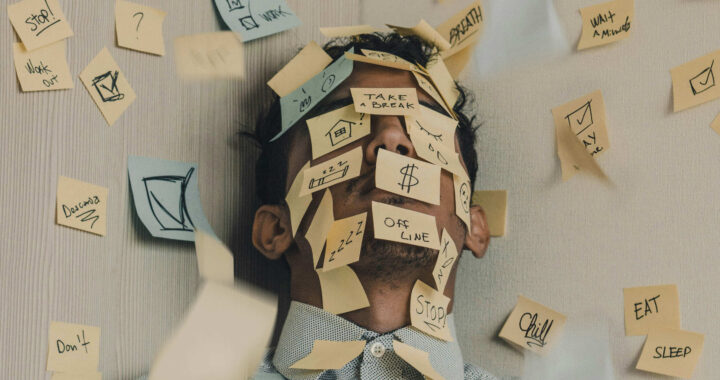
We make choices all day long. But what is the effect of stress on your choices? The reward system and stress system are connected, making the advantages of a choice suddenly seem more important than the disadvantages. But what are the long-term effects of this?

We live in a quickly changing world where we need to adapt to new environments on a regular basis. For example, when learning a new language. But what factors contribute to this successful learning, and what happens when we encounter challenges?
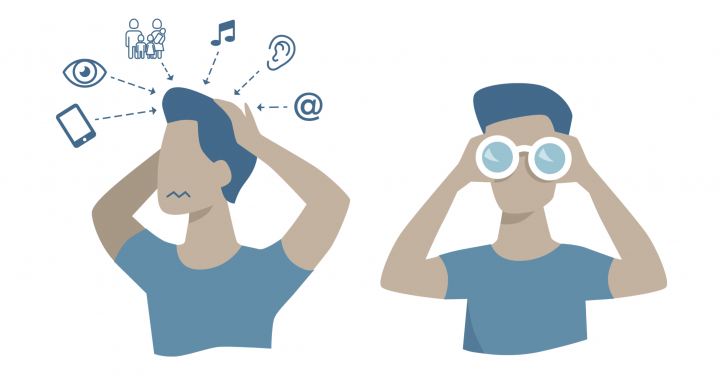
Everyone is sensitive to environmental stimuli, but the degree to which we are sensitive differs between individuals. This infographic describes the latest scientific insight on what high sensitivity feels like for adults.