Did I really see that?
  More than sensitive: the brain of highly sensitive people is tuned differently
  Collective and diverse intelligence: something beyond cognitive science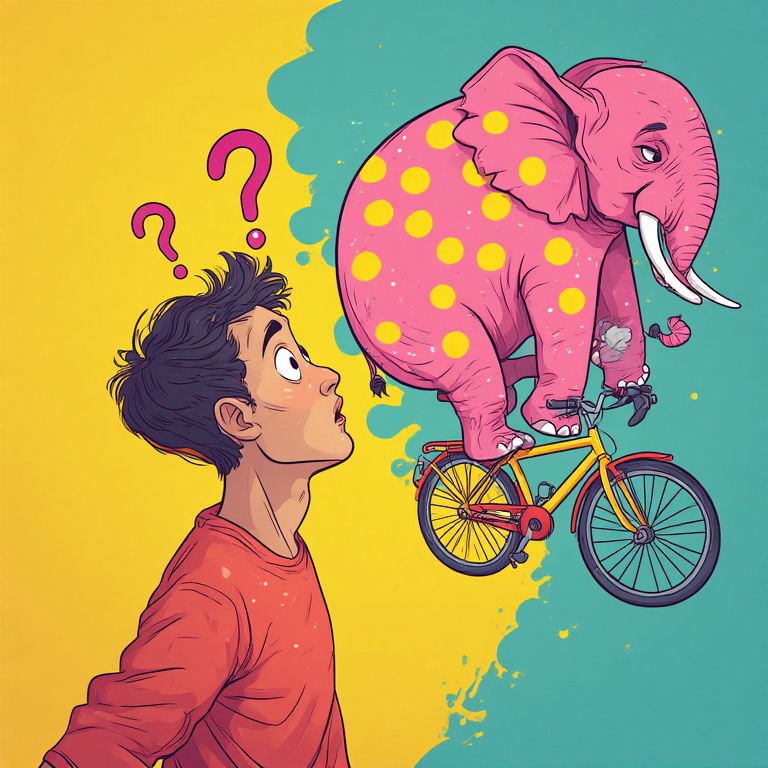




Did I really see that?
You’re walking home at night and think you see someone behind you, but when you turn around, no one’s there. Moments like this raise a question: how does your brain tell what’s real and what you’re imagining? Evidence suggests the answer may be surprisingly simple: the brain listens to the “volume” of its own signals. When internal thoughts become strong enough, they can briefly fool the mind into treating imagination as reality.